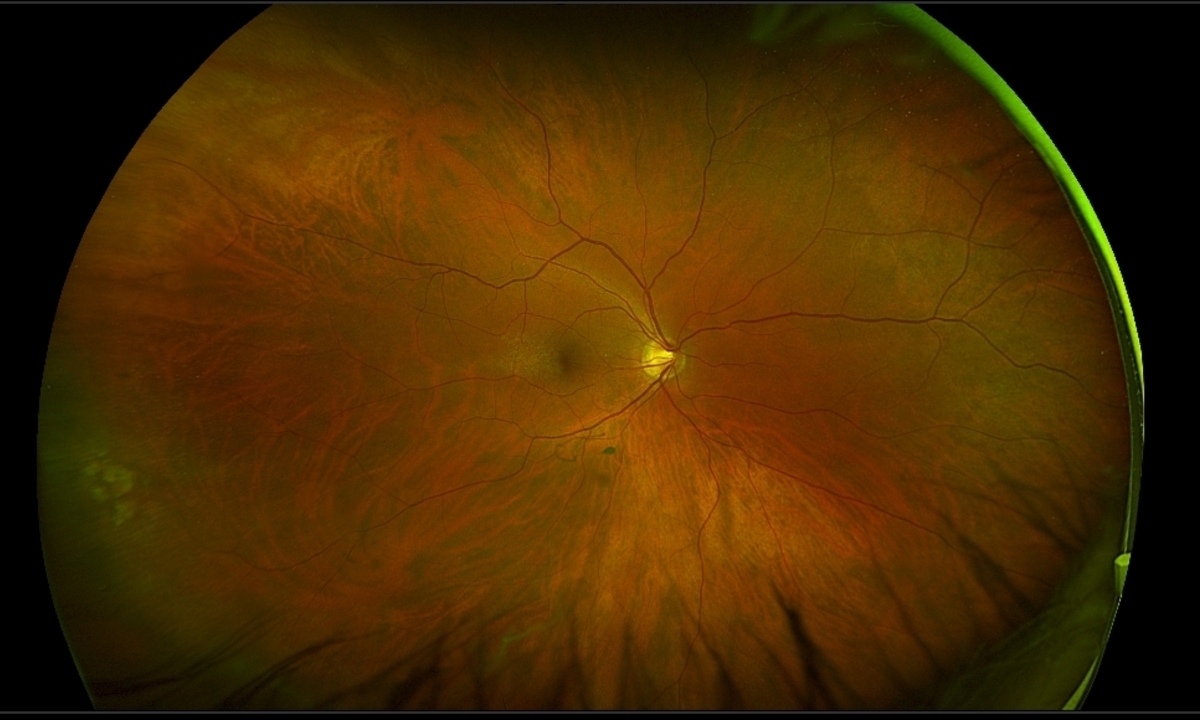
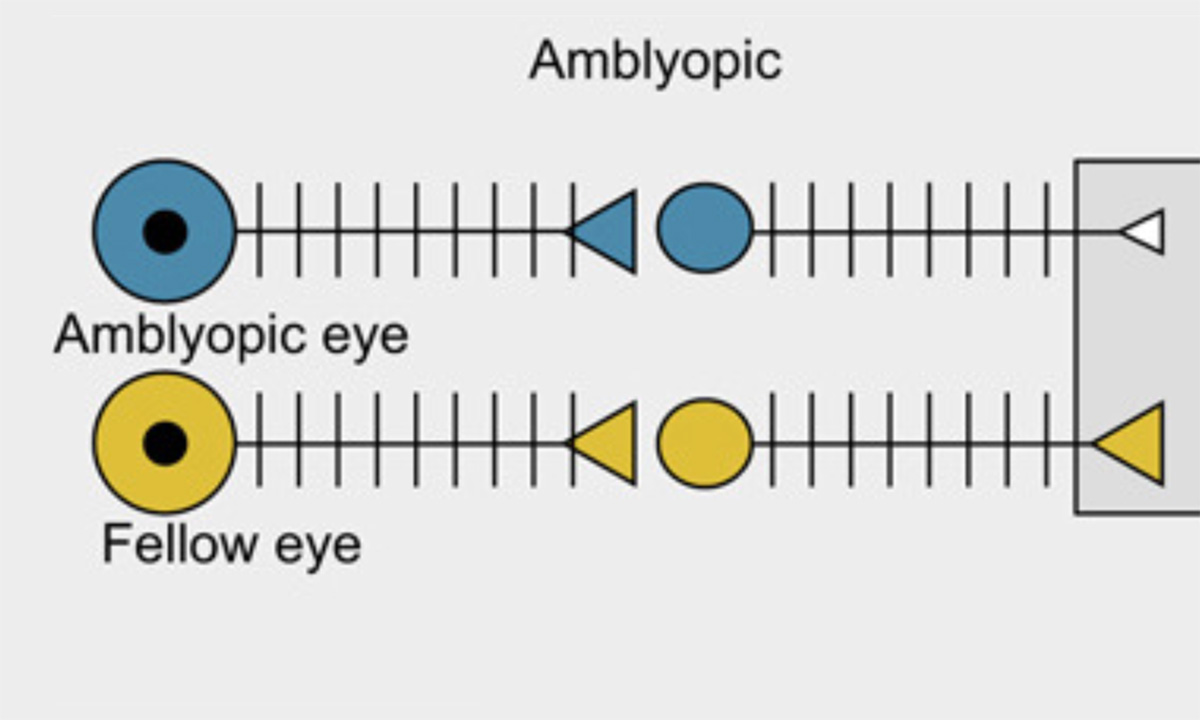
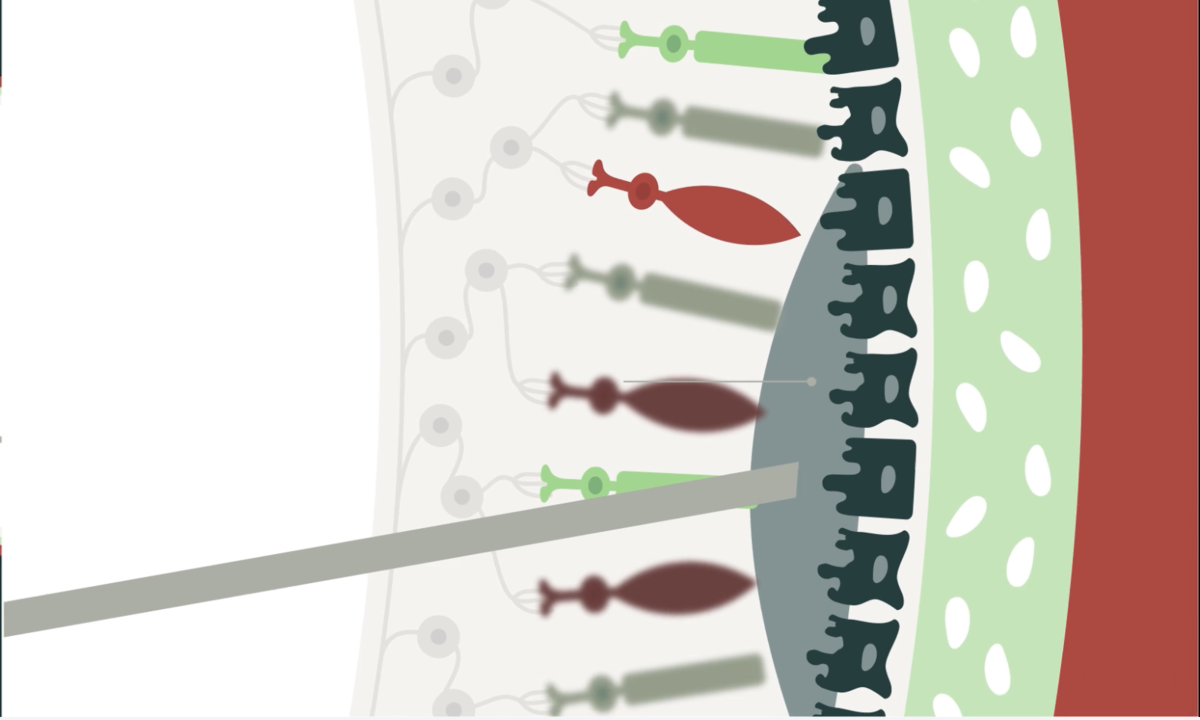
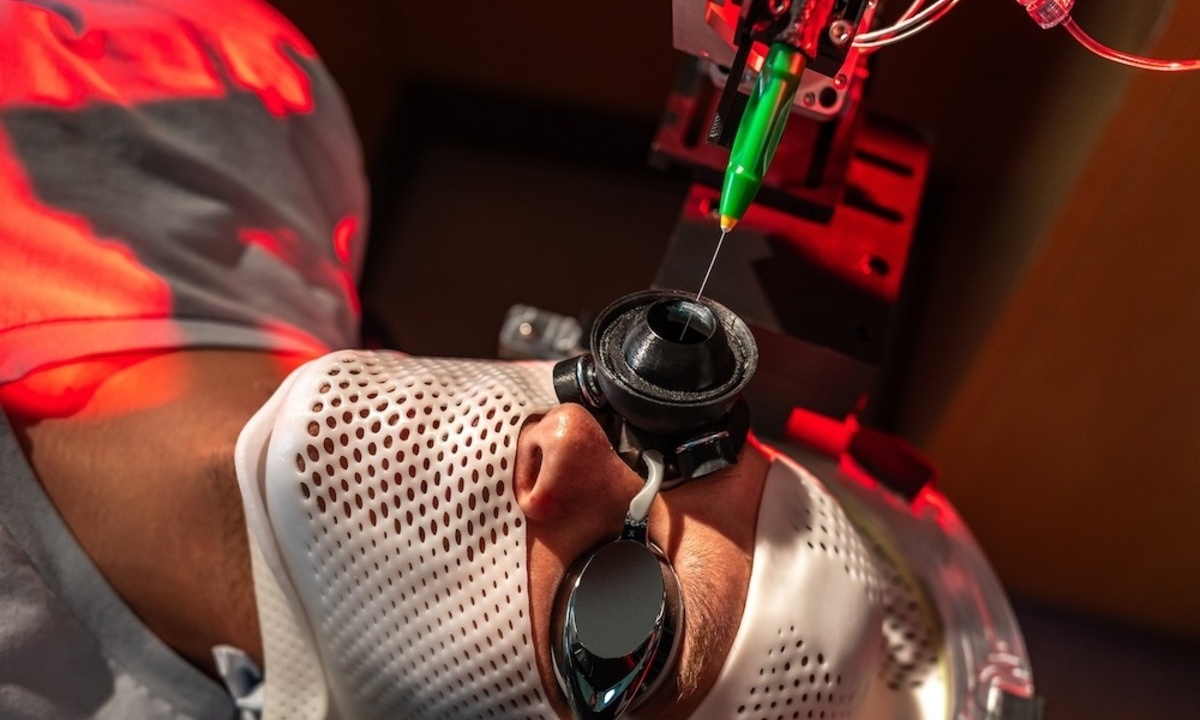
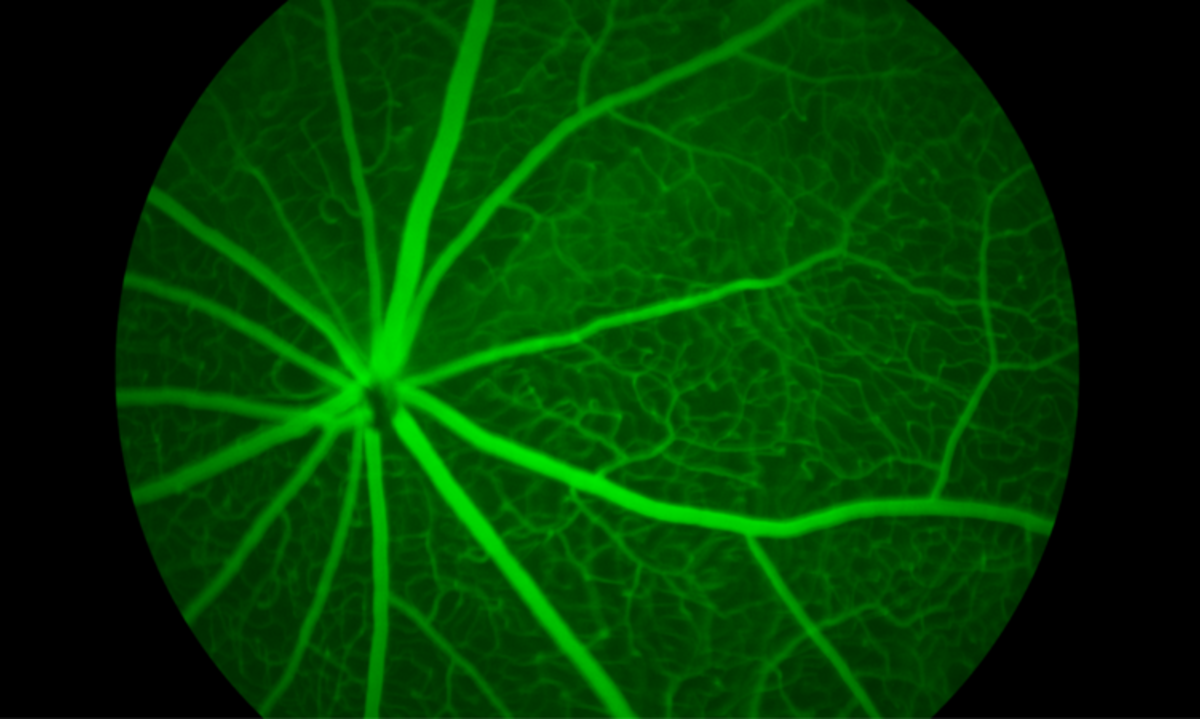
MIT study shows how vision can be rebooted in adults with amblyopia Temporarily anesthetizing the retina briefly reverts the activity of the visual system to that observed in early development and enables growth of responses to the amblyopic eye, new research shows. Weiterlesen 96
Information from the Association of German Contact Lens Specialists and Optometrists (VDCO) The December 2025 issue of the VDCO's scientific and clinical journal “Optometry & Contact Lenses (OCL)” is focused on the topic of “Vision and Driving.” Weiterlesen 120
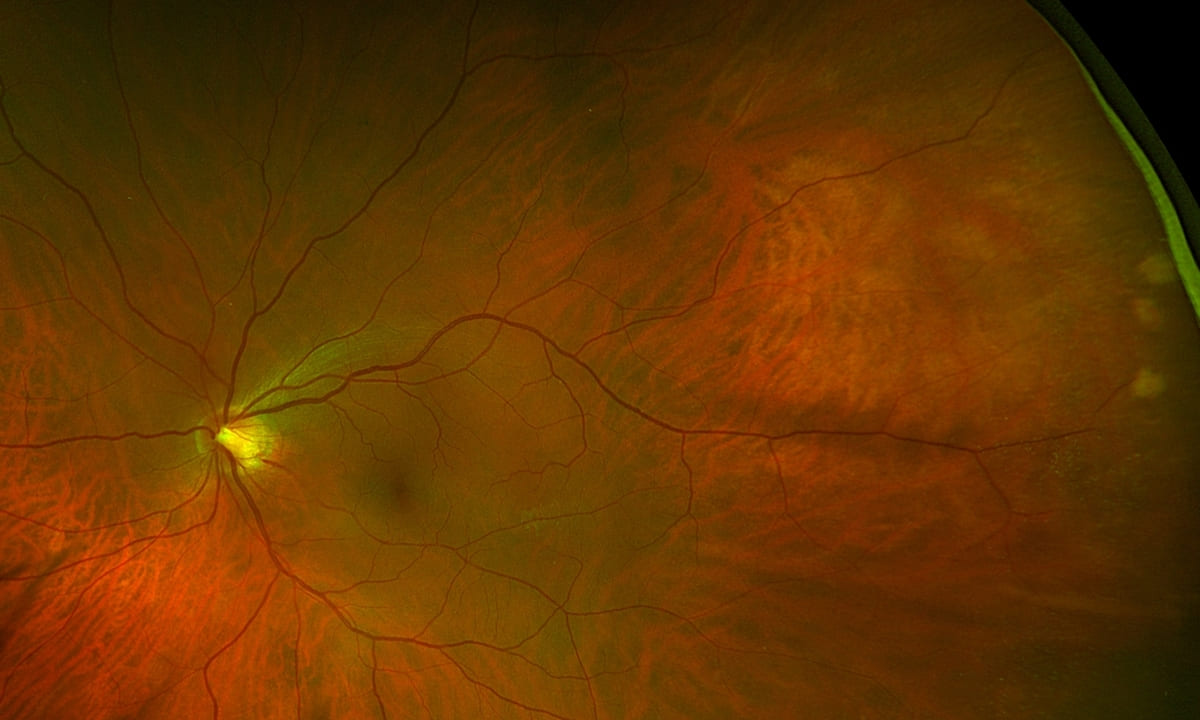
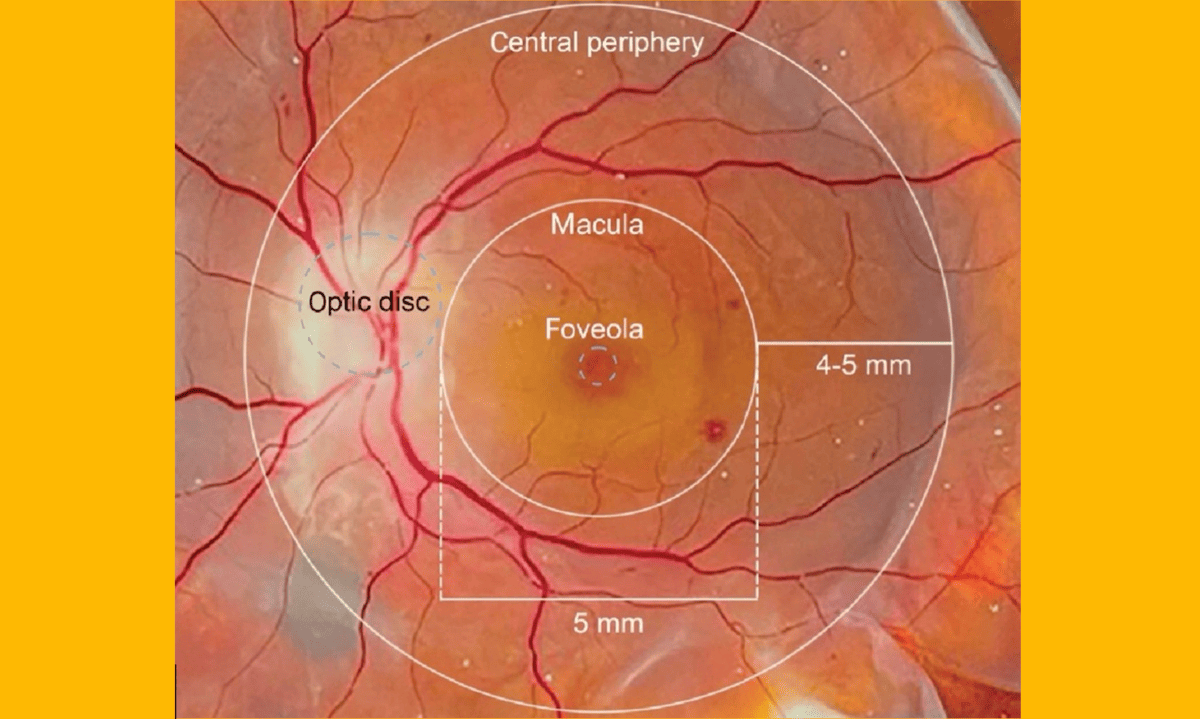
Virtual retina: Could it help to unlock new treatments for vision loss? New computer modelling could help scientists better understand how the retina regenerates, opening the door to new treatments for vision loss, according to a study from the University of Surrey. Weiterlesen 91
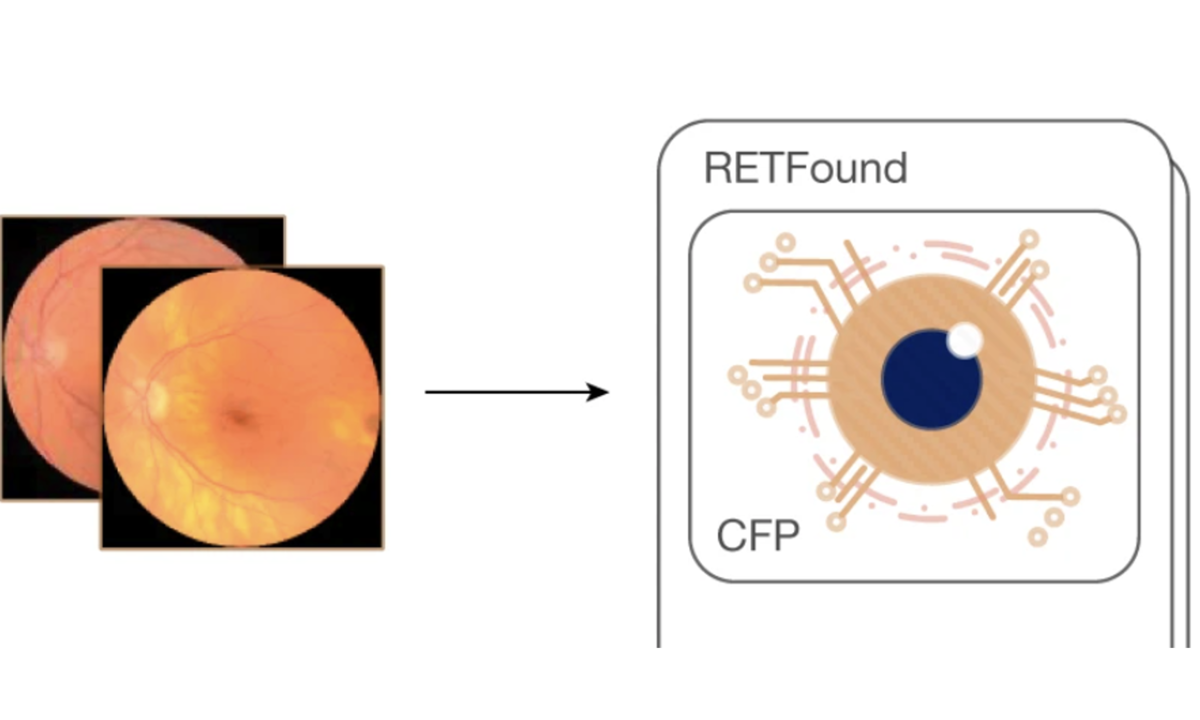
AI Foundation Model for Generalizable Disease Detection from Retinal Images A research consortium of over 100 study groups in more than 65 countries has launched the Global RETFound initiative, a collaborative effort to develop the first globally representative Artificial Intelligence (AI) foundation model in medicine, using 100 million eye images. Weiterlesen 391
World-first use of stem cells to study a form of genetic blindness Researchers at the Eye Genetics Research Unit at Children’s Medical Research Institute (CMRI) in Sydney are the first in the world to use stem cells to study one of the genetic causes of Leber Congenital Amaurosis (LCA). Their findings suggest that gene therapy could soon help prevent blindness in affected kids. Weiterlesen 309
Do GLP-1 Drugs Like Ozempic Cause or Prevent Vision Loss? Since a study published last year found that patients taking GLP-1 drugs — the active ingredient in Ozempic and Wegovy — may be at higher risk of developing an eye condition that can cause blindness, researchers have been working to learn more about a possible connection to vision loss. Two new studies presented at the annual meeting of the American Academy of Ophthalmology offer mixed results Weiterlesen 1423
New Test Could Help Detect Children's Vision Issues Earlier The development of a new tool for testing the eyesight of children under three could mean more children receive treatment for vision difficulties earlier, leading to positive effects on learning and development. Weiterlesen 415
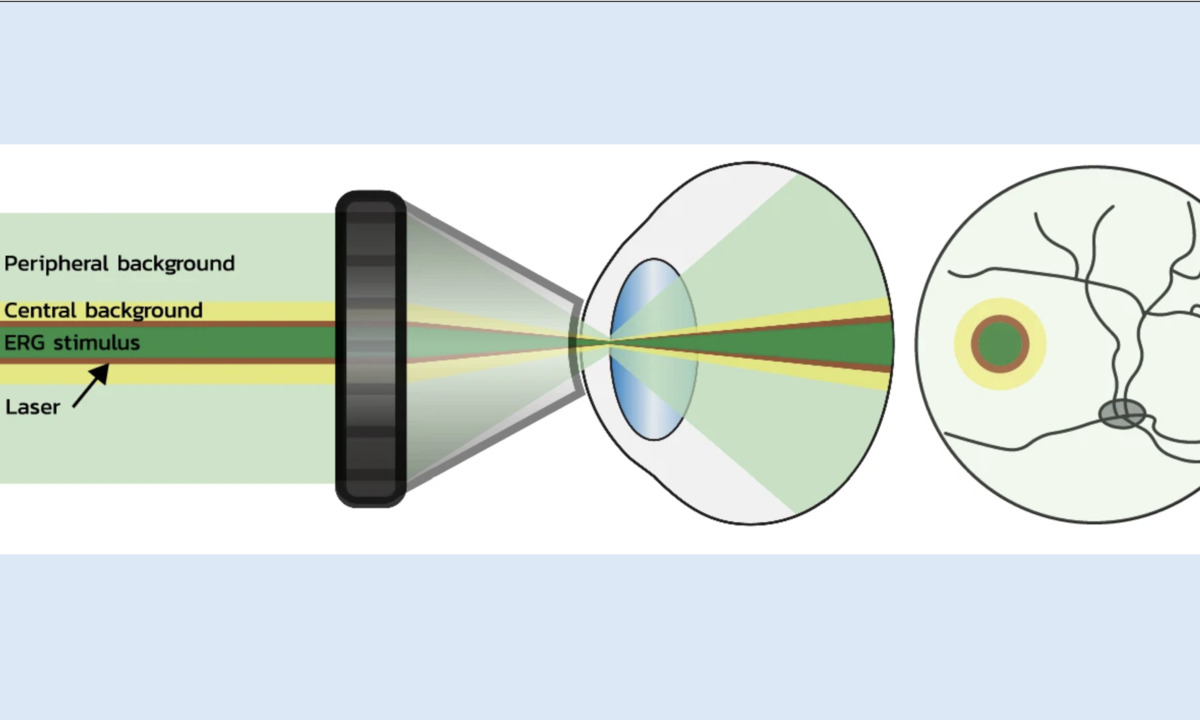
AMD: New laser treatment the first to halt disease’s progression? A non-damaging laser treatment with electroretinography-based thermal dosimetry for age-related macular degeneration (AMD) will start clinical trials in Finland next spring – Aalto University researchers hope it could be available to patients in as little as three years. Weiterlesen 801
£3.7M Investment: Transformative milestone for UK eye health research University College London and Moorfields Eye Hospital, London are leading the expansion of the INSIGHT Health Data Research Hub, now set to become a national resource thanks to a £3.7M investment. The new initiative will transform UK eye health research by linking national data resources. Weiterlesen 684
Myasthenia Gravis: Cochrane Review on Benefits and Harms of Immunoglobulin Intravenous immunoglobulins do not appear to be much more effective than placebo and are less effective than plasmapheresis in treating myasthenia gravis. This is suggested by a Cochrane review of twelve controlled studies. However, the quality of the studies is rather limited. Weiterlesen 625
Early trigger of diabetic retinopathy identified A team led by UCL scientists has identified a key protein that triggers diabetic retinopathy. The research in mice has the potential to revolutionise how the disease is treated, shifting the treatment from managing late-stage damage to preventing vision loss before it begins. Weiterlesen 579
New Study: Vitamin Supplements May Not Slow GA Growth in Advanced Macular Degeneration For years, ophthalmologists have recommended AREDS vitamins to patients with age-related macular degeneration (AMD), based on landmark studies suggesting the supplements slow progression to late stage forms of AMD. Earlier this year, an analysis of those studies, AREDS and AREDS2, found that antioxidants and vitamins slowed geographic atrophy (GA) progression toward the central macula in patients with advanced AMD. However, a new study using multimodal imaging refutes these claims. Weiterlesen 867
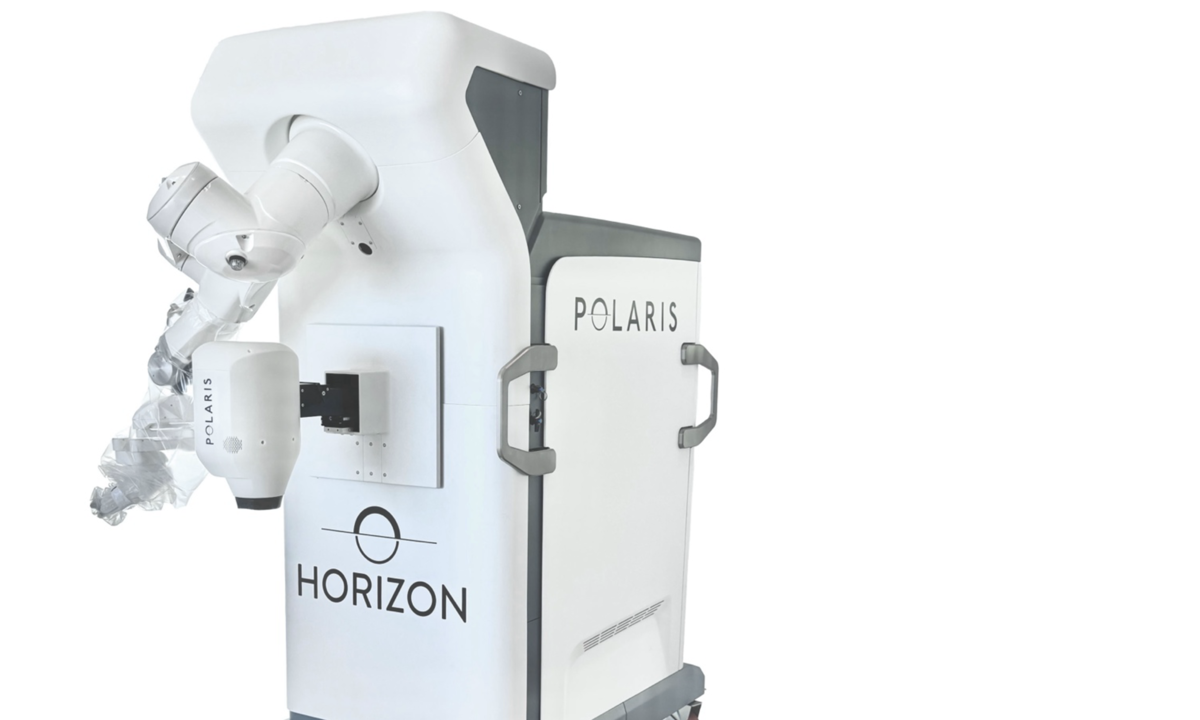
World’s First Robotic-Assisted Cataract Surgery Horizon Surgical Systems announced the completion of the first cataract surgery assisted by robotics using its Polaris platform, which integrates micro-robotic and artificial intelligence technologies designed specifically for ophthalmology. Weiterlesen 1613
New study: Laser correction for myopia is safe and effective for older teenagers A major study of laser correction for myopia shows that photorefractive keratectomy is as safe and effective in older teenagers as it is in adults, according to research presented at the 43rd Congress of the European Society of Cataract and Refractive Surgeons (ESCRS) in Copenhagen. Weiterlesen 910
Ocular Hypertension and Glaucoma After Pars Plana Vitrectomy A new systematic review and meta-analysis examines whether pars plana vitrectomy (PPV) increases the risk of ocular hypertension (OHT) and glaucoma, and how lens status modifies this risk. Weiterlesen 678
Stargardt Disease: Gene therapy receives FDA Orphan Drug Designation and UK CTA approval AAVantgarde Bio has achieved two key regulatory milestones for its lead gene therapy program, AAVB-039, in development for treating Stargardt disease. The Italy-based company announced that it was granted orphan drug designation by FDA and received approval from the UK Medicines and Healthcare products Regulatory Agency (MHRA) for its clinical trial authorization (CTA) application. Weiterlesen 1607
Infrared light for blind retina: Engineered human channels open a new path Researchers at IOB and collaborators from the Semmelweis University, Budapest, show how a redesigned human TRPV1 ion channel makes a blind human retina responsive to safe infrared light, without using foreign proteins or nanoparticles. Weiterlesen 771
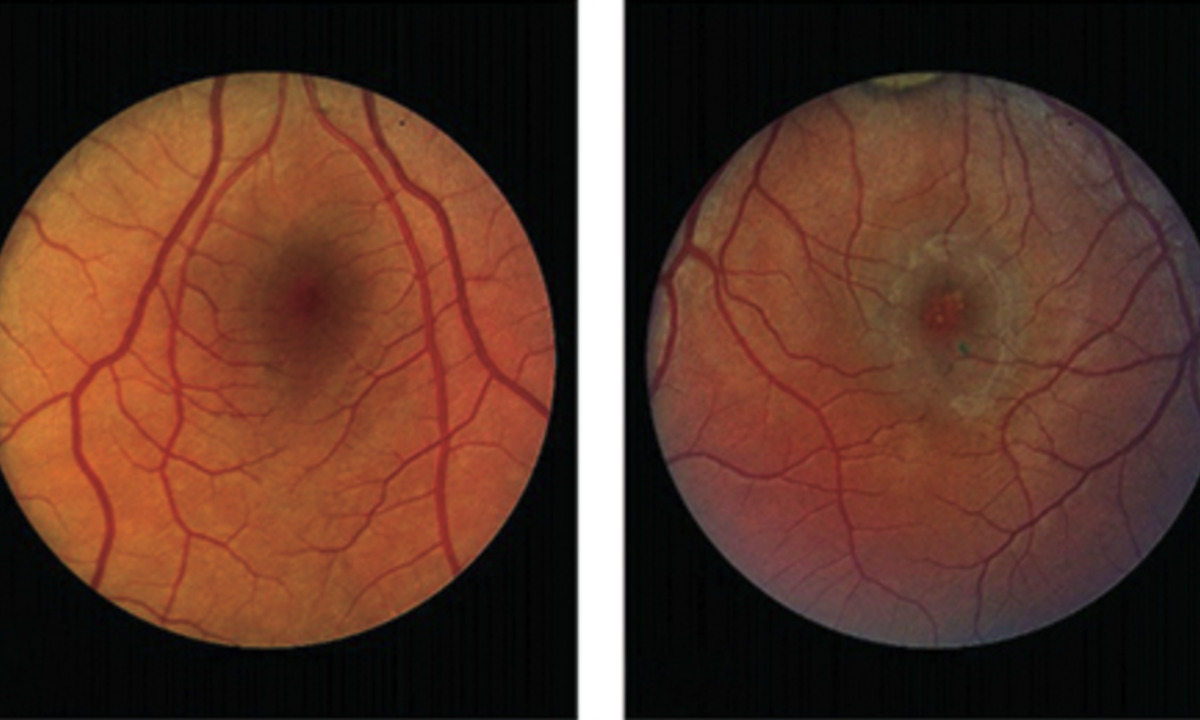
Hydroxychloroquine: AI predicts eye damage years before symptoms appear Researchers have devised an artificial intelligence (AI) system that can detect and predict serious eye damage caused by hydroxychloroquine years before patients or doctors notice any symptoms or warning signs Weiterlesen 1042
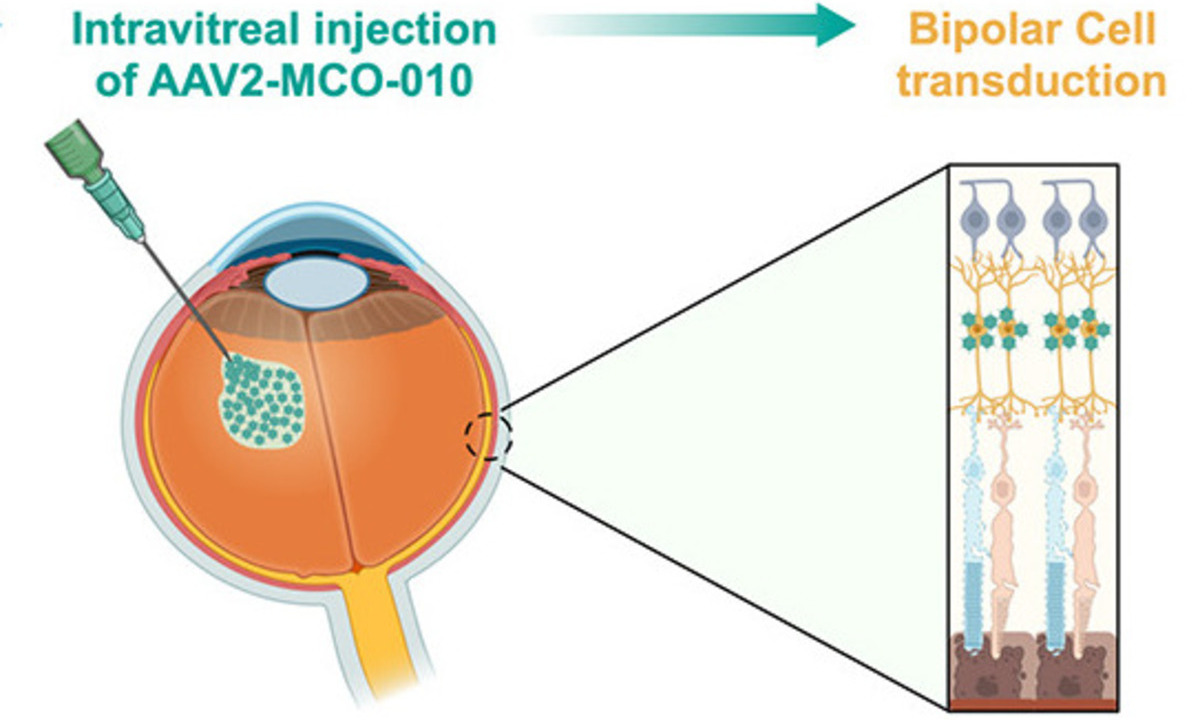
Nanoscope: EMA grants Orphan designations to MCO-010 across 5 categories of retinal dystrophies European Medicines Agency (EMA) grants MCO-010 five Orphan designations across a wide spectrum of retinal diseases involving photoreceptor loss, including syndromic and non-syndromic, rod- and cone-dominant, and macular dystrophies. In addition, the U.S. Food and Drug Administration (FDA) has granted Regenerative Medicine Advanced Therapy (RMAT) designation for MCO-010 in Stargardt disease (SD). Weiterlesen 2080
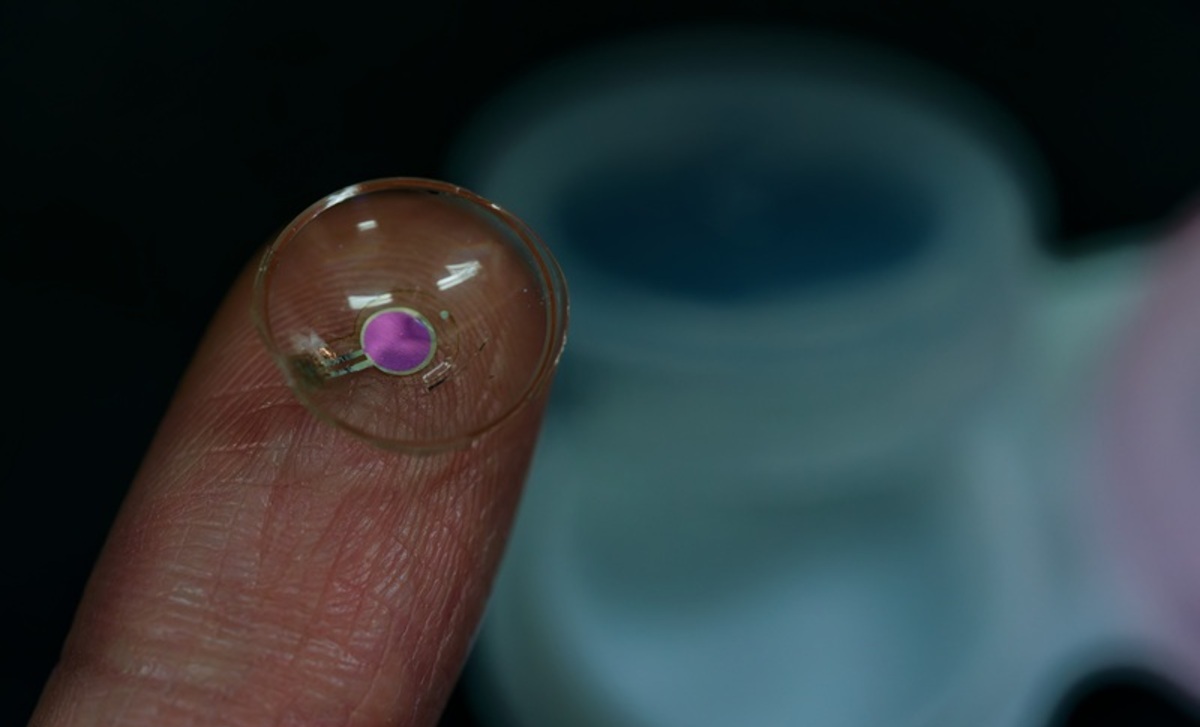
Korean researchers develop world’s first wireless OLED contact lens for retinal diagnostics Electroretinography (ERG) is used to determine whether the retina is functioning normally. It is widely employed for diagnosing hereditary retinal diseases or assessing retinal function decline. A team of researchers at the Korea Advanced Institute of Science and Technology (KAIST) has now developed a next-generation wireless ophthalmic diagnostic technology that replaces the existing stationary, darkroom-based retinal testing method by incorporating an “ultrathin OLED” into a contact lens. Weiterlesen 1547
GLP-1 Receptor Agonists Linked to Reduced Risk of Non-Infectious Uveitis Cleveland Clinic Cole Eye Institute researchers have identified a potential association between the use of GLP-1 receptor agonist (GLP-1RA) therapy and a reduced risk of non-infectious uveitis. Weiterlesen 1092
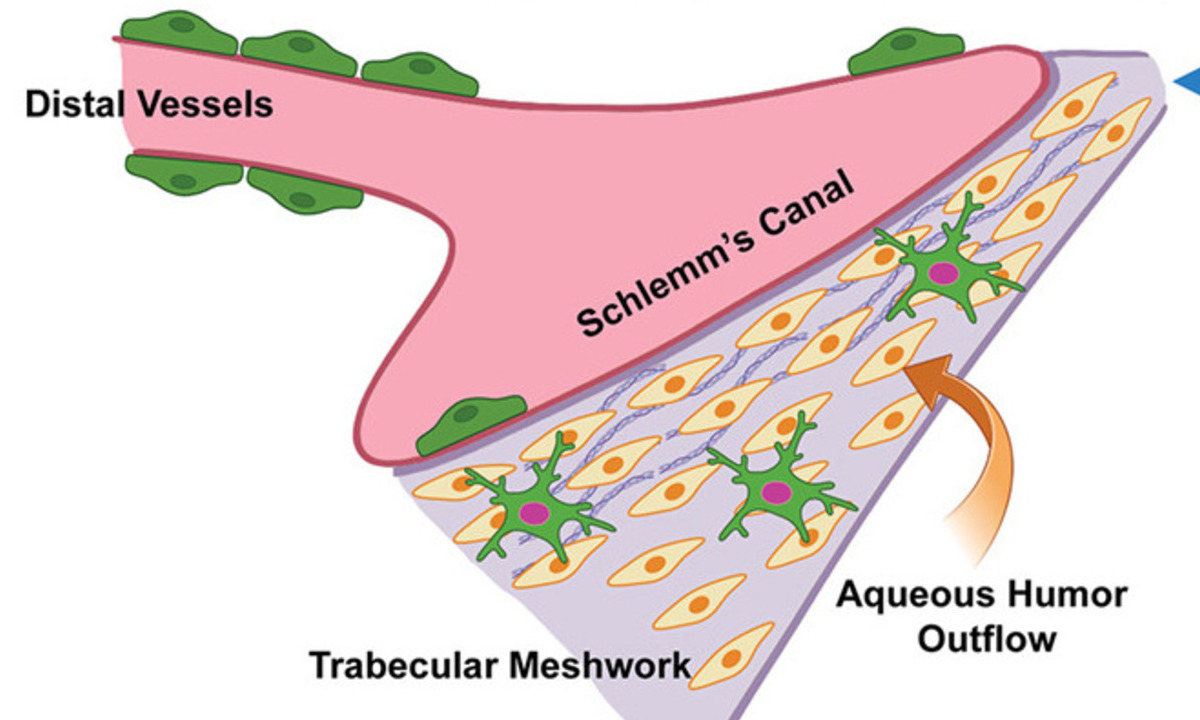
Novel 3D model reveals trigger for steroid-induced glaucoma Researchers at Cornell University, a private Ivy League research university based in Ithaca, New York, have identified the signaling mechanism responsible for steroid-induced glaucoma, using a novel 3D “eye-on-a-chip” model that simulates the fluid dynamics of the human eye. Weiterlesen 1138
Stargardt Disease: VeonGen Receives FDA Regenerative Medicine Advanced Therapy (RMAT) Designation for Gene Therapy The Munich-based genetic medicine company VeonGen Therapeutics (formerly ViGeneron) announced that the FDA has granted Regenerative Medicine Advanced Therapy (RMAT) designation to VG801, its lead investigational gene therapy for Stargardt disease and other ABCA4 mutation–associated retinal dystrophies. Weiterlesen 1437
Snails as New Model for Eye Regeneration Research US scientists have established the apple snail as a new research organism for investigating eye regeneration, which may hold the key for restoring vision due to damage and disease. Weiterlesen 1725
MacTel: Study confirms long-term benefit of neuroprotective implant Phase 3 trial results helped support FDA approval of ENCELTO for MacTel. ENCELTO utilizes an encapsulated cell therapy technology designed to continually deliver therapeutic doses of ciliary neurotrophic factor (CNTF) to the retina to assist in slowing the progression of the disease. Weiterlesen 2096
“Ideas that are reshaping the future of eye care”– Interview with ESCRS President Filomena Ribeiro The ESCRS Congress is one of the world's most important events in ophthalmology. In this interview, ESCRS President Filomena Ribeiro explains why the congress in Copenhagen offers the ideal opportunity to optimize surgical skills, exchange information on the latest developments in ophthalmology, and expand personal networks. Weiterlesen 1658
Researchers identify brain circuits responsible for visual acuity Studies demonstrate the effect of retinal injury on visual processing pathways, providing insights for the development of vision restoration therapies. Weiterlesen 1064
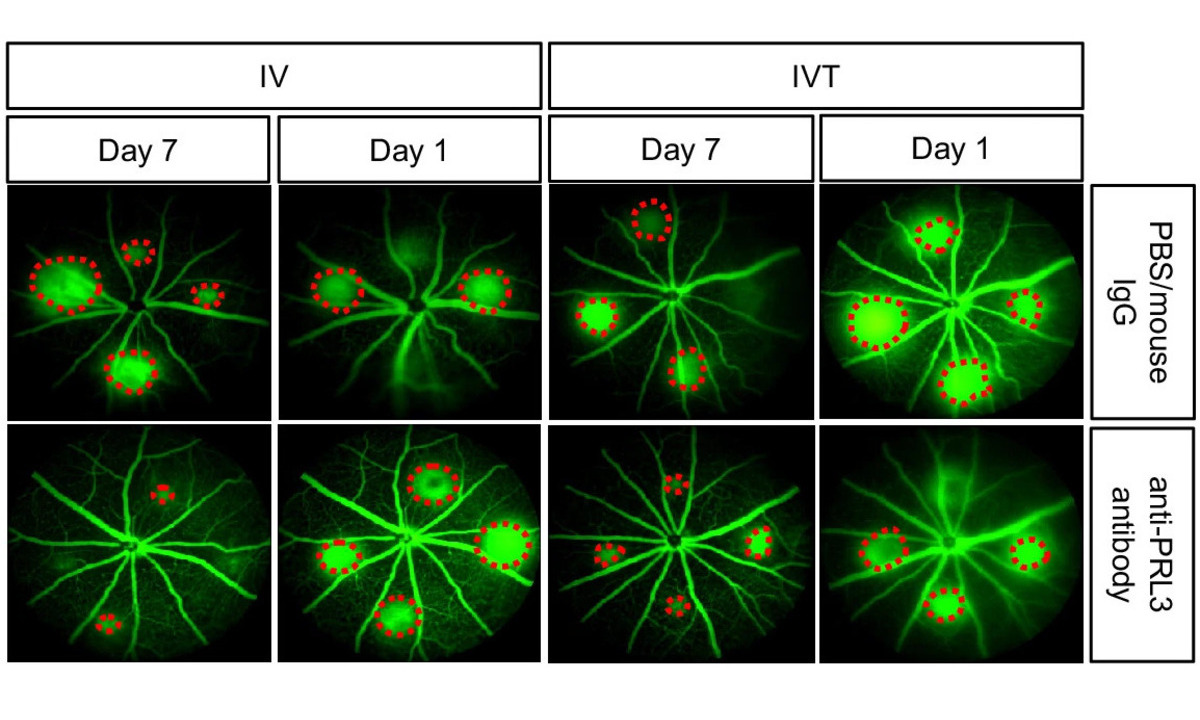
Cancer Drug Shows Promise as Novel Treatment for Neovascular Eye Diseases Singapore’s Health Sciences Authority (HSA) approves human trials for cancer drug PRL3-zumab showing promise as intravenous alternative to intravitreal injections in treating wet AMD and diabetic retinopathy. Weiterlesen 1326
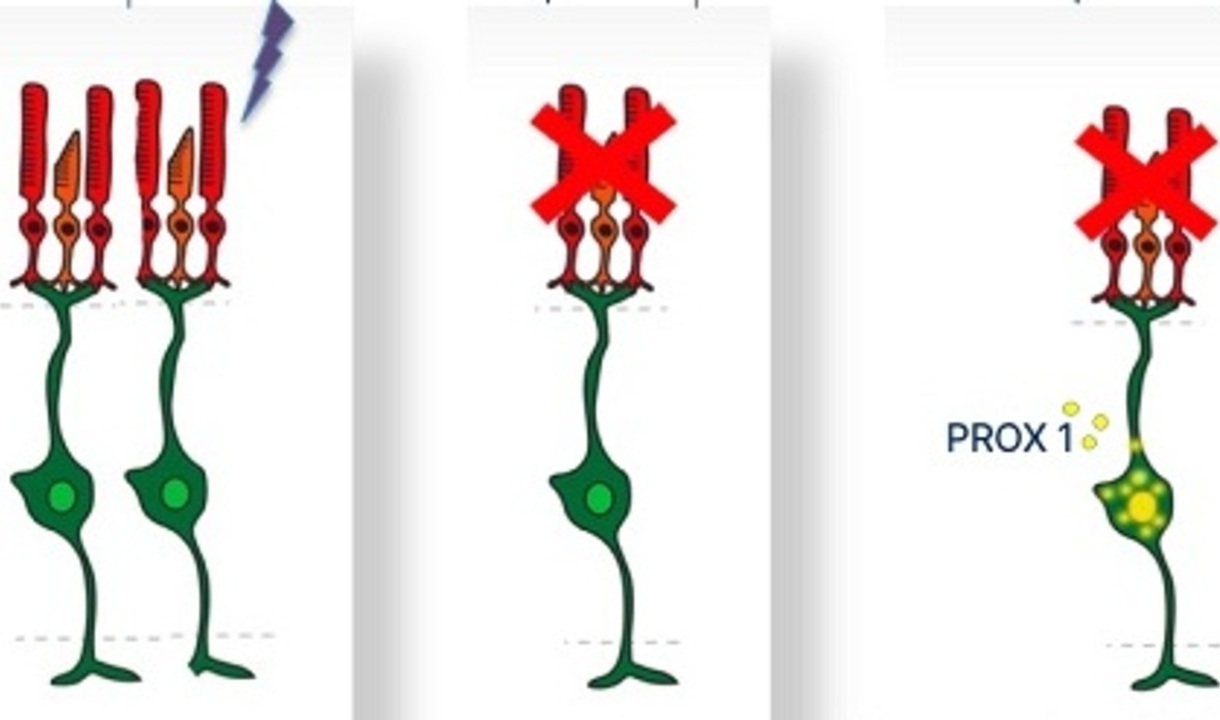
Eye cells "rewire" themselves when vision begins to fail Mouse study reveals how retinal neurons adapt by forming new connections during early stages of retinitis pigmentosa. Weiterlesen 1143
First Gene-Agnostic Therapy to Treat RP: Nanoscope Initiates Rolling Submission of BLA to FDA Nanoscope announced the initiation of a rolling submission of a Biologics License Application (BLA) to the U.S. Food and Drug Administration (FDA) for its lead investigational therapy, MCO-010, for the treatment of severe vision loss due to retinitis pigmentosa (RP). Weiterlesen 4638
Research Provides Insight into How Multifocal Contacts Help Fight Myopia The BLINK study shows that high-add multifocal contact lenses can reduce eye growth in myopic children — with lasting effects. New data now suggest that changes in the choroid, a key vascular layer in the eye, may play an important role in this process. Weiterlesen 1752
Cholesterol Processing: Strategy to prevent age-related macular degeneration identified Fixing problems in cholesterol metabolism could slow or block progression of age-related macular degeneration (AMD), according to new research in mice and human plasma samples. Weiterlesen 1065
Lineage Cell Therapeutics’ OpRegen holds potential to become new treatment option for GA Lineage Cell Therapeutics’ OpRegen (RG6501) is gaining attention as a promising one-time allogenic cell therapy for geographic atrophy (GA), following encouraging results from its Phase I/IIa trial. OpRegen’s ability to improve and stabilize vision positions it as a potential breakthrough in addressing a critical unmet need in GA management, says GlobalData, a leading data and analytics company. Weiterlesen 4845
Genetic Research: New Hope for Patients with Inherited Retinal Diseases To improve diagnostic accuracy and advance understanding of disease mechanics, experts at the University of Oklahoma are mapping gene mutations associated with vision loss. Weiterlesen 1602
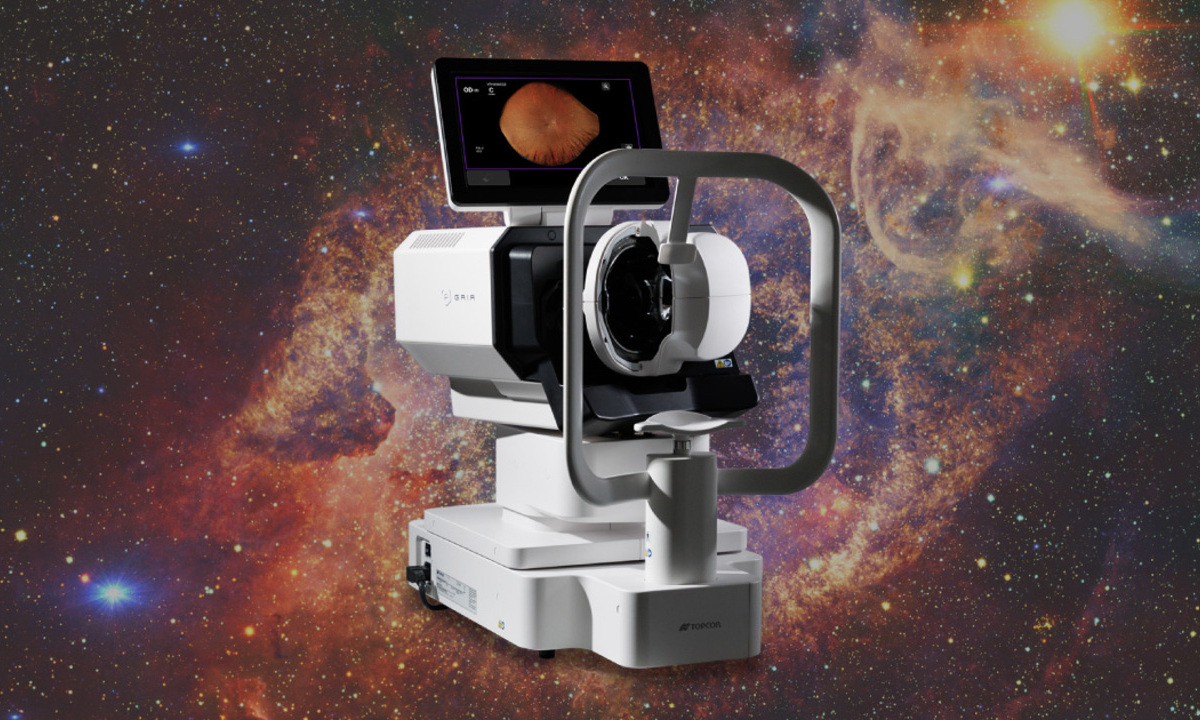
Moorfields, UCL, and Topcon Launch Cascader to Transform AI-Driven Eyecare Moorfields Eye Hospital NHS Foundation Trust, the University College London (UCL) Institute of Ophthalmology (IoO), and Topcon Healthcare announced the launch of Cascader Limited. The new medical technology company aims to transform the detection and management of eye disease through artificial intelligence (AI). Weiterlesen 1647
US scientists test surgical technique to improve cell therapy for dry AMD National Institutes of Health (NIH) scientists have developed a new surgical technique for implanting multiple tissue grafts in the eye's retina. The findings in animals may help advance treatment options for dry age-related macular degeneration (AMD). Weiterlesen 2070
FDA Approves Genentech’s Susvimo for Diabetic Retinopathy Susvimo can help people with diabetic retinopathy (DR) maintain their vision and prevent progression to blindness with only one treatment every nine months. Susvimo’s innovative technology via the Port Delivery Platform may offer an alternative to regular eye injections in the US Weiterlesen 2764
AI-Integrated Imaging Reveals Retinal Cellular Structures with Precision and Speed A new cost-efficient and open-source technology could revolutionize the diagnosis and treatment of eye and brain diseases. Weiterlesen 1581
Blood cells offer new way to stop corneal damage In a world first, scientists at the Centre for Eye Research Australia (CERA) have used platelet-derived extracellular vesicles (PEVs) to provide first-line treatment for corneal injuries in lab experiments. Weiterlesen 1407
Karolinska Institutet: Vitamin supplements slow down the progression of glaucoma A vitamin supplement that improves metabolism in the eye appears to slow down damage to the optic nerve in glaucoma. Promising results have been published in the journal Cell Reports Medicine. The researchers behind the study have now started a clinical trial on patients. Weiterlesen 1896
Diabetic Retinopathy: Hypoglycemia Contributes to Eye Damage and Vision Loss In a new National Institutes of Health-funded study led by scientists at the Wilmer Eye Institute, Johns Hopkins Medicine researchers say they have determined that hypoglycemia may promote a breakdown of the blood-retinal barrier. An experimental drug, the pharmacologic dual HIF-1 and HIF-2 inhibitor (32-134D), may help to treat the condition. Weiterlesen 1721
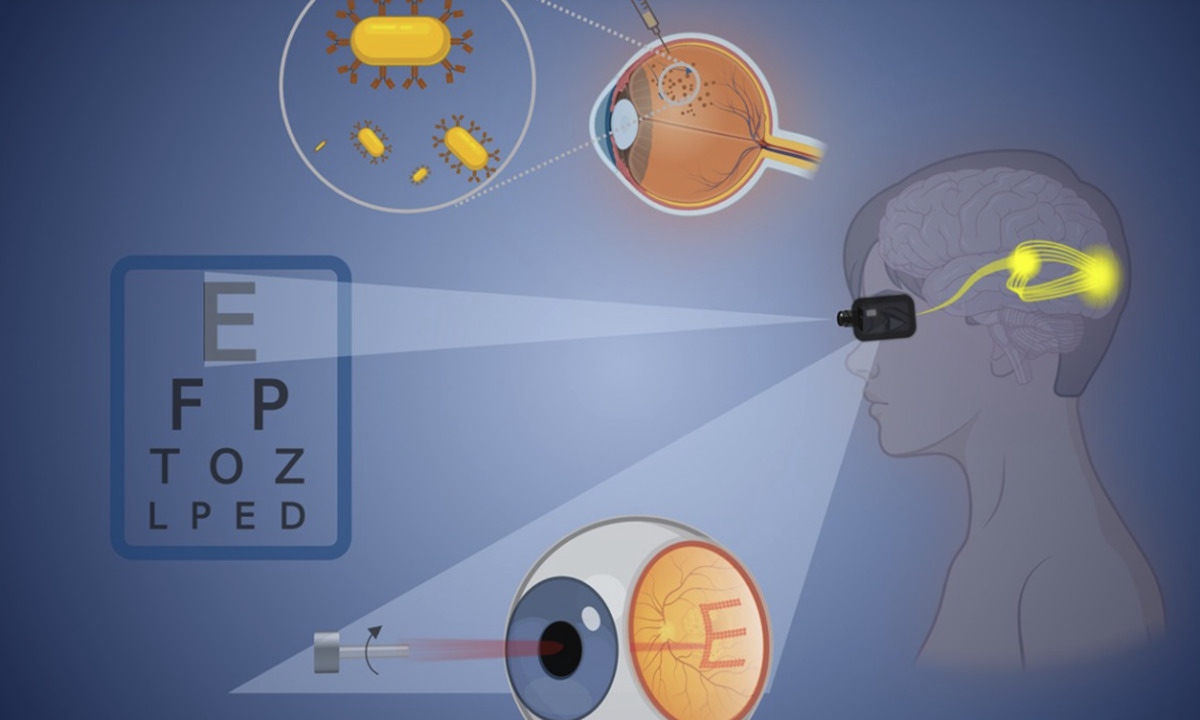
Gold nanoparticles may help to restore vision A team of Brown University researchers has identified a promising new approach that may one day help to restore vision in people affected by macular degeneration and other retinal disorders. Weiterlesen 2062
Researchers Stimulate Retina to Reveal Never-Before-Seen Color A multidisciplinary team from the University of California, Berkeley created a new platform called “Oz” that directly controls the human eye’s photoreceptor activity via cell-by-cell light delivery, providing new insight into the nature of human sight and vision loss. The researchers also found a way to manipulate the eye into seeing a brand-new color — a blue-green color of unparalleled saturation that they named “olo.” Weiterlesen 3296
Reserpine may prevent vision loss in inherited retinal dystrophies New studies in rats suggest the drug reserpine, approved in 1955 for high blood pressure, might treat the blinding disease retinitis pigmentosa, especially in females. Weiterlesen 1618
GlobalData: Uveitis market to grow to $1.5 billion in the seven major markets by 2033 The uveitis market in the seven major markets (7MM: the US, France, Germany, Italy, Spain, the UK, and Japan) is set to grow from $522.5 billion in 2023 to $1.5 billion in 2033, driven by the entry of therapies with new mechanisms of action and route of administration into the market, as well as the growth of the uveitis population, forecasts GlobalData, a leading data and analytics company. Weiterlesen 1448
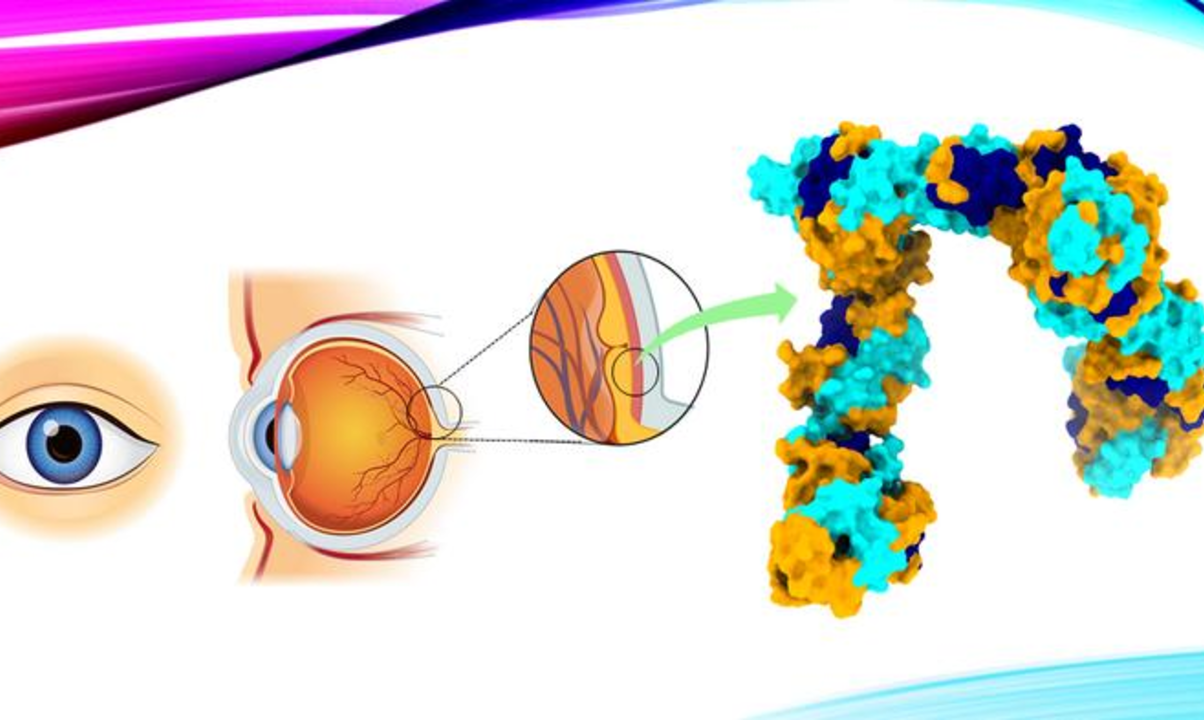
Molecular messenger of sight: Some of RBP3 secrets have been exposed Scientists from the International Centre for Translational Eye Research (ICTER), Warsaw, have for the first time looked deep into the protein structure that may determine our vision - and discovered that it is much more dynamic than previously thought. RBP3 not only changes its shape depending on its load but may also play a role in protecting the retina from diseases ranging from diabetic retinopathy to retinitis pigmentosa Weiterlesen 1735
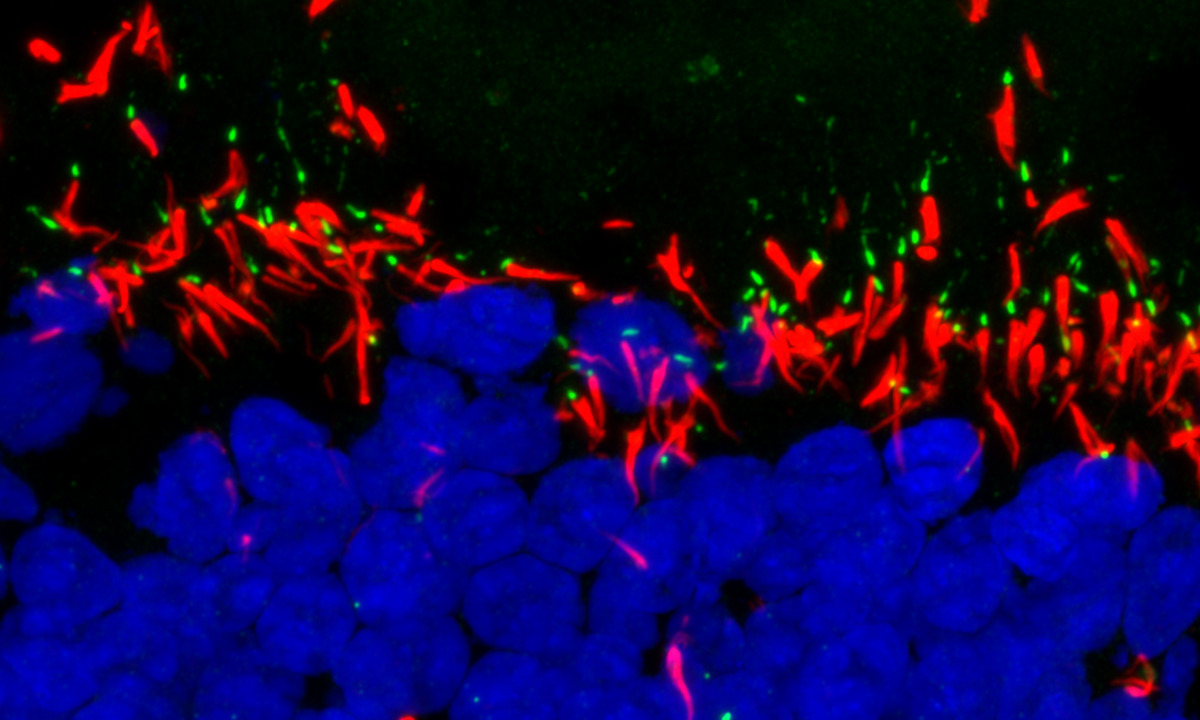
First Successful Induction of Long-term Neural Regeneration in Mammalian Retinas A research team led by Professor Jin Woo Kim from the Department of Biological Sciences of the Korea Advanced Institute of Science and Technology (KAIST) has developed a treatment method that restores vision through retinal nerve regeneration. Weiterlesen 2772
Ocular Biomarkers: Moorfields Eye Hospital and insitro Announce Collaboration The collaboration will develop a novel AI foundation model to aid in genetic discovery of new ocular biomarkers for precision patient segmentation and therapeutic targets for neurodegenerative and related conditions. Weiterlesen 1654
Myelin Repair Drug Shows Promise in Restoring Vision Researchers at the University of Colorado Anschutz Medical Campus have found a promising drug candidate that could help restore vision in individuals with multiple sclerosis (MS) and other neurological conditions that damage neurons. Weiterlesen 1712
Optogenetics: Vision Restoration in Retinitis Pigmentosa Researchers with Nanoscope Therapeutics Inc. have announced the publication of a paper, “A synthetic opsin restores vision in patients with severe retinal degeneration,” in Molecular Therapy, the flagship journal of the American Society of Gene & Cell Therapy. The publication marks a major breakthrough in mutation-independent optogenetic monotherapy for patients suffering from inherited retinal diseases. Weiterlesen 2471
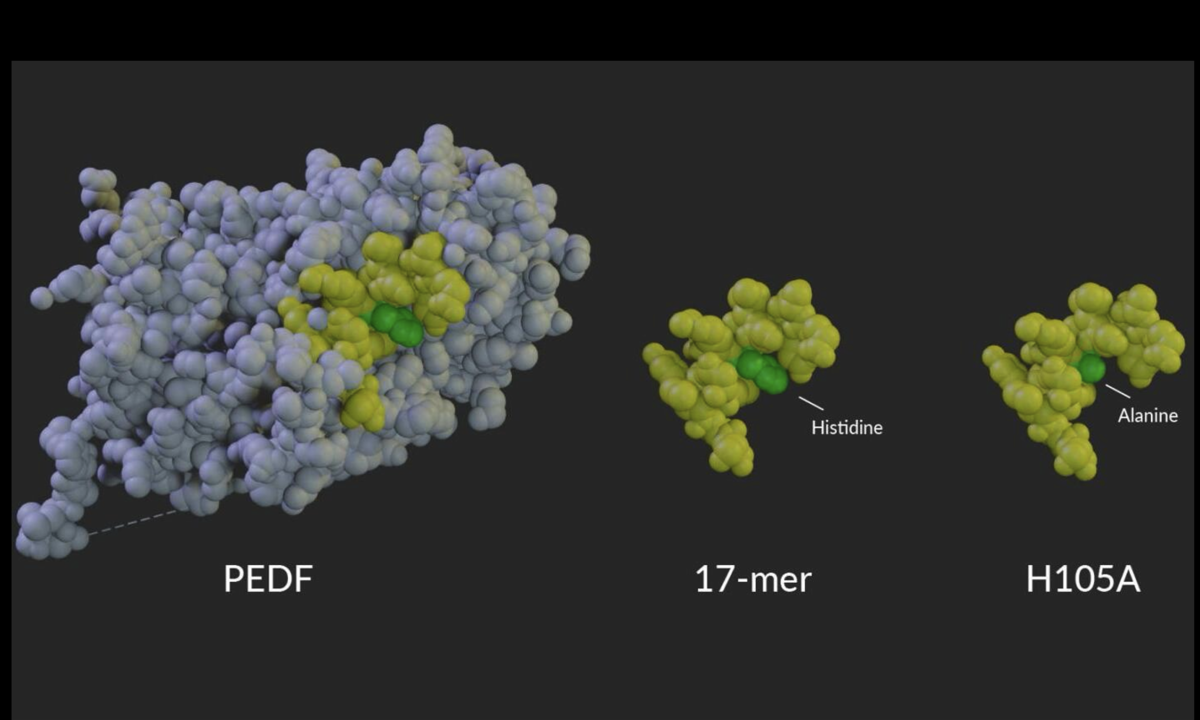
Eye drops slow vision loss in animal models Researchers at the National Institutes of Health (NIH) have developed eye drops that extend vision in animal models of retinitis pigmentosa and AMD. The eye drops contain a small fragment derived from a protein found in the eye, known as pigment epithelium-derived factor (PEDF). PEDF helps preserve cells in the eye’s retina. Weiterlesen 1652
Neurodiagnostics through Ocular Data: machineMD Secures Topcon Healthcare, Inc. as Lead Investor machineMD, an award-winning medical device company at the forefront of neurodiagnostic innovation, today announced a strategic investment from Topcon Healthcare, Inc., a global leader in robotic diagnostics and digital solutions. This partnership aligns with Topcon Healthcare’s mission to deliver Healthcare from the Eye™, enhancing access to high-quality care while optimizing healthcare costs. Weiterlesen 1155
Positive Results Demonstrate Efficacy of Bio-Interventional Technology for Uveoscleral Outflow Enhancement in Glaucoma Patients Iantrek Corporation has announced the publication of positive 2-year results from its prospective clinical study evaluating its proprietary bio-reinforced cyclodialysis technology. The study, published in Ophthalmology Science, confirms the long-term efficacy and safety of Iantrek’s bio-interventional platform for uveoscleral outflow enhancement in open-angle glaucoma patients undergoing combined cataract surgery. Weiterlesen 1527
Study shows promise for retinal-surgery robot When even the most highly trained surgeons perform procedures on the retina, the stakes are high. Surgeons must account for patients’ breathing, snoring, and eye movements, along with their own involuntary hand tremors, while they work on a layer of cells less than a millimeter thick. Weiterlesen 1603
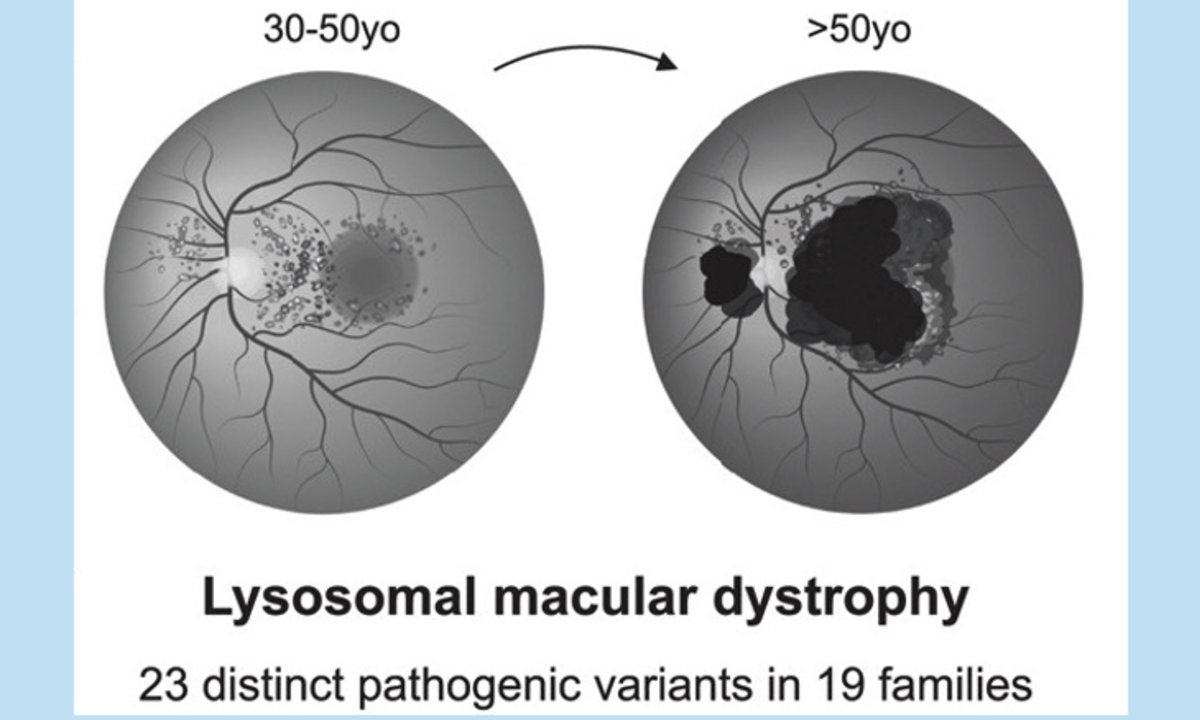
Three novel disease genes identified as drivers of a new form of hereditary retinal blindness Researchers of the Institute of Molecular and Clinical Ophthalmology Basel (IOB), working with a broad international team, have identified mutations in three genes encoding subunits of the vesicular AP-5 complex as a new cause of hereditary macular dystrophy, a form of inherited retinal disease (IRD) that leads to progressive vision loss. Weiterlesen 1721
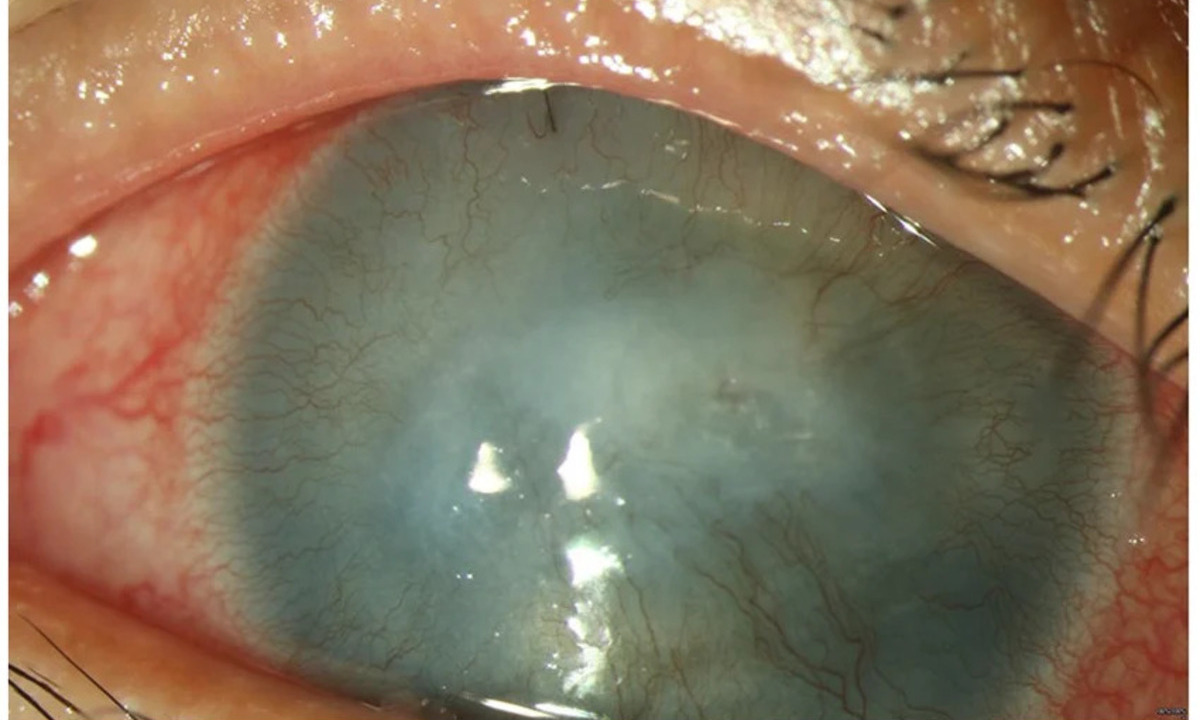
Novel Stem Cell Therapy Repairs Irreversible Corneal Damage A study led by researchers at the Massachusetts Eye and Ear, Boston, demonstrated strong support that cultivated autologous limbal epithelial cell transplantation is safe and feasible. The treatment, called cultivated autologous limbal epithelial cells (CALEC), restored corneal surfaces in 14 patients. Weiterlesen 2598
ENCELTO™ Approved by the FDA for the Treatment of Macular Telangiectasia Type 2 (MacTel) Neurotech Pharmaceuticals, a private biotech company, announced that the U.S. Food and Drug Administration (FDA), has approved ENCELTO™ (revakinagene taroretcel-lwey) for the treatmentof Macular Telangiectasia type 2 (MacTel). ENCELTO is the First and Only FDA-approved Treatment for MacTel. Weiterlesen 3541
GA and Stargardt Disease: EMA Provides Positive ATMP Opinion for Gene Therapy Products Ocugen Announces Positive Opinion of EMA’s Committee for Advanced Therapies for ATMP Classification for Novel Modifier Gene Therapy Candidate OCU410 for Geographic Atrophy and OCU410ST for Stargardt disease. Weiterlesen 1923
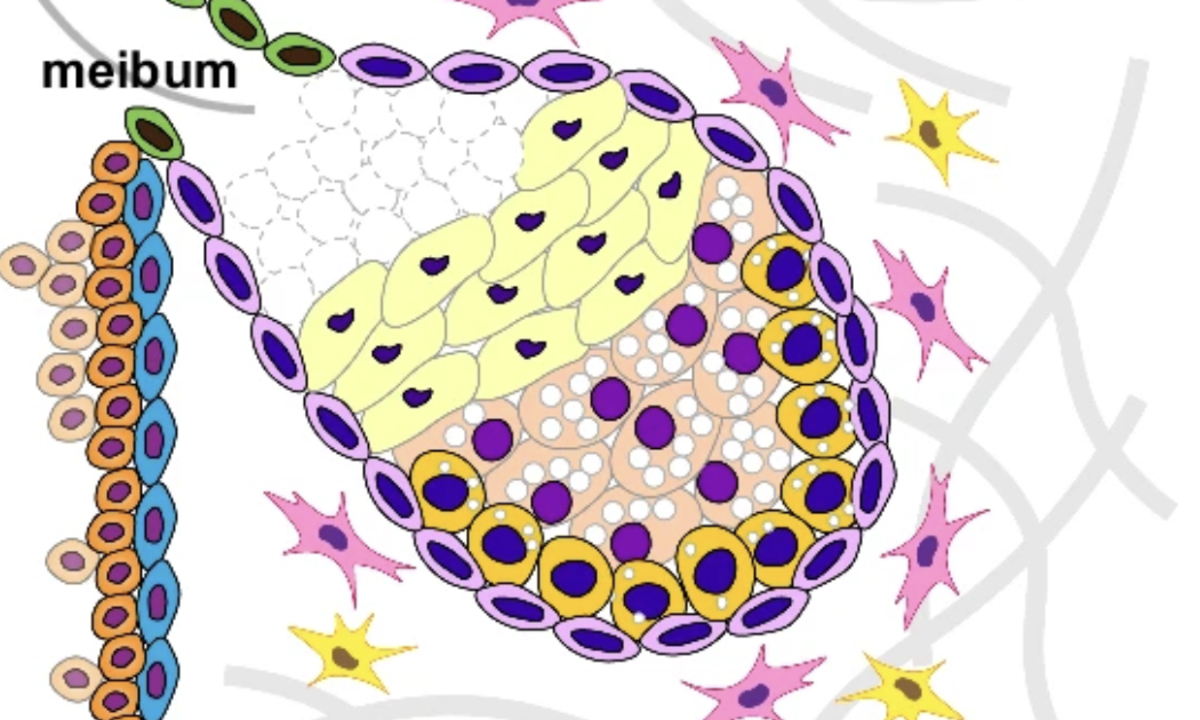
Research Team Identifies Underlying Mechanisms of Age-Related Meibomian Gland Dysfunction A team led by Mount Sinai researchers has identified stem cell populations and mechanisms underlying age-related degeneration in meibomian glands. The findings, published in Nature Communications, may lead to new therapeutic approaches for evaporative dry eye disease. Weiterlesen 2498
Retinal Dystrophy: Genetic Therapy Gives Infants Life-Changing Improvements in Sight In a UK study, four children (1.0–2.8 yrs) with severe retinal dystrophy from biallelic AIPL1 mutations achieved life‐changing sight improvements. Led by UCL Institute of Ophthalmology and Moorfields Eye Hospital, these early findings support further exploration of gene therapy for inherited retinal diseases. Weiterlesen 2627
How genes influence retinal aging and brain health US researchers used mice with nine different genetic backgrounds to identify factors influencing eye aging, paving the way for eye-based diagnostics for neurodegenerative diseases Weiterlesen 1609
Glaucoma: New drug delivery method promises long-lasting relief The approach developed by researchers at the University of Toronto could replace daily eye drops with a single injection into the subconjunctival space that lasts nearly two months. Weiterlesen 1961
New Study Reveals COVID-19’s Hidden Retinal Risks An experimental study in mice shows that SARS-CoV-2 infection can damage the retina, with long-term implications for vision. The findings, published in PNAS Nexus, suggest that COVID-19 may play a role in age-related macular degeneration (AMD) by triggering inflammation. Weiterlesen 1849
Uveitis from Juvenile Idiopathic Arthritis: Treatment Pause Leads to High Rate of Relapse According to a National Institutes of Health (NIH)-funded clinical study, children with juvenile idiopathic arthritis with uveitis are likely to experience disease recurrence when discontinuing adalimumab. This monoclonal antibody effectively controls the condition. However, many patients seek to stop or pause therapy due to high cost, the burden of injections, and potential, serious side effects. Weiterlesen 1828
Uveal Melanoma: Patient-Derived Organoid Models Offer Hope for Improved Treatments Mayo Clinic researchers have developed patient-derived organoid models to study uveal melanoma. Their goal is to use these models to better understand how this disease works and develop treatments for unmet patient needs. Weiterlesen 1425
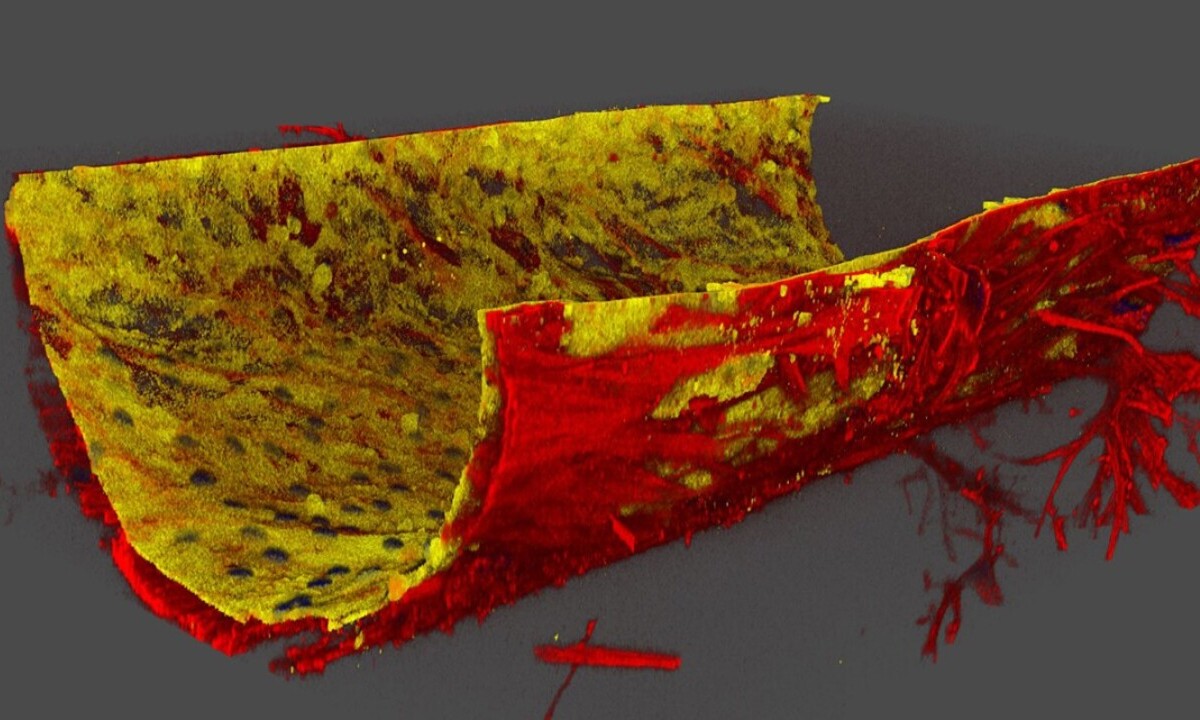
How do we use Spatio-Temporal Optical Coherence Tomography to assess ocular microcirculation? Like a complex network of highways, the retinal microcirculation is a hidden system that powers the life of the eye – delivering oxygen, nourishing tissues, and allowing cells to function without disruption. New research conducted by ICTER (International Centre for Translational Eye Research / Warsaw) scientists will enable us to track every “movement” on these microscopic roads using the STOC-T (Spatio-Temporal Optical Coherence Tomography) technique. Weiterlesen 1729
Free White Paper on Acanthamoeba Keratitis An interdisciplinary team of experts has published a comprehensive white paper on Acanthamoeba Keratitis (AK). The publication was developed with contributions from the Global Alliance Against Acanthamoeba Keratitis and brings together the expertise of clinical scientists, basic researchers, and patient organizations. Weiterlesen 1395
Multifocal Contact Lenses Used to Slow Myopia in Youth Have a Lasting Effect In a follow up study funded by the National Institutes of Health (NIH), researchers found that children who wore multifocal contact lenses to slow progression of myopia, maintained the treatment benefit after they stopped wearing the contacts as older teens. Controlling myopia progression in childhood can help to potentially decrease the risks of vision-threatening myopia complications later in life, such as retinal detachment and glaucoma. Weiterlesen 2875
NeurEYE : Detecting Dementia via Retinal Imaging Data scientists and clinical researchers are working with high street opticians for the first time to develop a digital tool that can predict a person’s risk of dementia from a routine eye test. Weiterlesen 1869
Optogenetic Vision Restoration: IOB's first spinout RhyGaze receives major funding Institute of Molecular and Clinical Ophthalmology Basel (IOB) spinout RhyGaze closes USD 86 million Series A round to further novel gene therapy for vision restoration. Funding enables progress of RhyGaze lead asset through early clinical trials. Weiterlesen 2124
Determining stroke risk: Vascular ‘fingerprint’ on the the retina could help A cohort study with data from the UK suggests that the risk of stroke can be determined using a vascular ‘fingerprint’ of indicators in the patient's retina. In combination with age and gender, the predictive power here is just as good as when looking at traditional risk factors alone. Weiterlesen 1584
GlobalData: Glaucoma market to grow to $2.5 billion in the seven major markets by 2033 The glaucoma market across the seven major markets (7MM) – US, France, Germany, Italy, Spain, UK, Japan – is forecast to increase at a compound annual growth rate (CAGR) of 2.1% from $2.1 billion in 2023 to $2.5 billion in 2033, according to GlobalData, a leading data and analytics company. Weiterlesen 2639
ViGeneron Advances Retinitis Pigmentosa Therapy with Key FDA Designation and Trial Milestone ViGeneron GmbH announced two important milestones for its novel gene therapy candidate VG901, to treat patients with retinitis pigmentosa (RP) caused by mutations in the CNGA1 gene. The U.S. Food and Drug Administration (FDA) has granted Rare Pediatric Disease Designation (RPDD) to VG901, and the independent Data Safety Monitoring Board (DSMB) has unanimously approved dose escalation in the ongoing Phase 1b clinical trial Weiterlesen 2672
Study provides the first anatomical and functional representation of the ocular surface in the central nervous system This work sheds light on how sensory stimulus information is integrated from the peripheral nervous system into the brain's cortical networks. Weiterlesen 1999
Better Understanding of Retinitis Pigmentosa: Researchers map retinal nerve network A team of researchers at University of Southern California (USC) and the University of Utah has received a $2.7 million grant from the National Institutes of Health to map out how Retinitis pigmentosa (RP) affects the wiring that powers vision in the eye, in hopes of discovering ways to slow or prevent blindness. Weiterlesen 1699
Study finds DNA damage is key factor in age-related macular degeneration A research team co-led by the University of California, Irvine has discovered that accumulated DNA damage in the retina is a key contributor to age-related macular degeneration (AMD) and that targeting specific retinal cell types may lead to treatments that slow or stop progression. Weiterlesen 2007
Stem Cells: Innovative Therapeutic Approach for Dry AMD The California Institute for Regenerative Medicine has funded Keck School of Medicine of USC translational research advancing a therapy for dry age-related macular degeneration (AMD). The researchers led by principal investigator Mark Humayun are culturing healthy retinal cells derived from stem cells and harnessing the biological factors they produce to create therapeutic injections. Weiterlesen 1996
Transplantation of Human Eye Allografts (THEA) Program: Groundbreaking Investments to Develop Complete Eye Transplantation The Advanced Research Projects Agency for Health (ARPA-H), an agency within the U.S. Department of Health and Human Services (HHS), announced the teams to receive awards from its Transplantation of Human Eye Allografts (THEA) program. The agency’s commitment is up to $125 million, for a series of groundbreaking investments to develop the first-ever complete eye transplantation procedure and restore vision for the blind and visually impaired. Weiterlesen 2065
AMD and Related Macular Dystrophies: Discovery of Novel Therapeutic Targets New research published in the journal Developmental Cell provides important insights into the cellular mechanisms behind AMD and offers potential avenues for new treatments. Weiterlesen 1689
Scientific team defines elements of cerebral visual impairment (CVI) in children Clarifying the factors for suspecting CVI helps eye care providers identify children early for rehabilitation and accommodation strategies. Research needed to establish best diagnostic and management strategies for increasingly common condition. Weiterlesen 2684
Optogenetics: New Therapy for Retinitis Pigmentosa Shows Promise A two-year study led by researcher Allen C. Ho was presented at AAO 2024, the 128th annual meeting of the American Academy of Ophthalmology. The findings suggest that a new kind of gene therapy can improve vision in people who have lost nearly all sight due to retinitis pigmentosa Weiterlesen 4924
Study Shows Association Between Climate Change and Eye Conditions A pioneering study from the University of Colorado Anschutz Medical Campus has shown a significant association between air pollution caused by climate change and an increase in ocular surface conditions. Weiterlesen 1940
IOB researchers discover new gene linked to retinitis pigmentosa In a groundbreaking study published in The American Journal of Human Genetics, the research team led by Carlo Rivolta has identified a new gene associated with retinitis pigmentosa (RP). Genetically, RP is highly heterogeneous, with pathogenic variants identified in more than 100 genes so far. Weiterlesen 1651
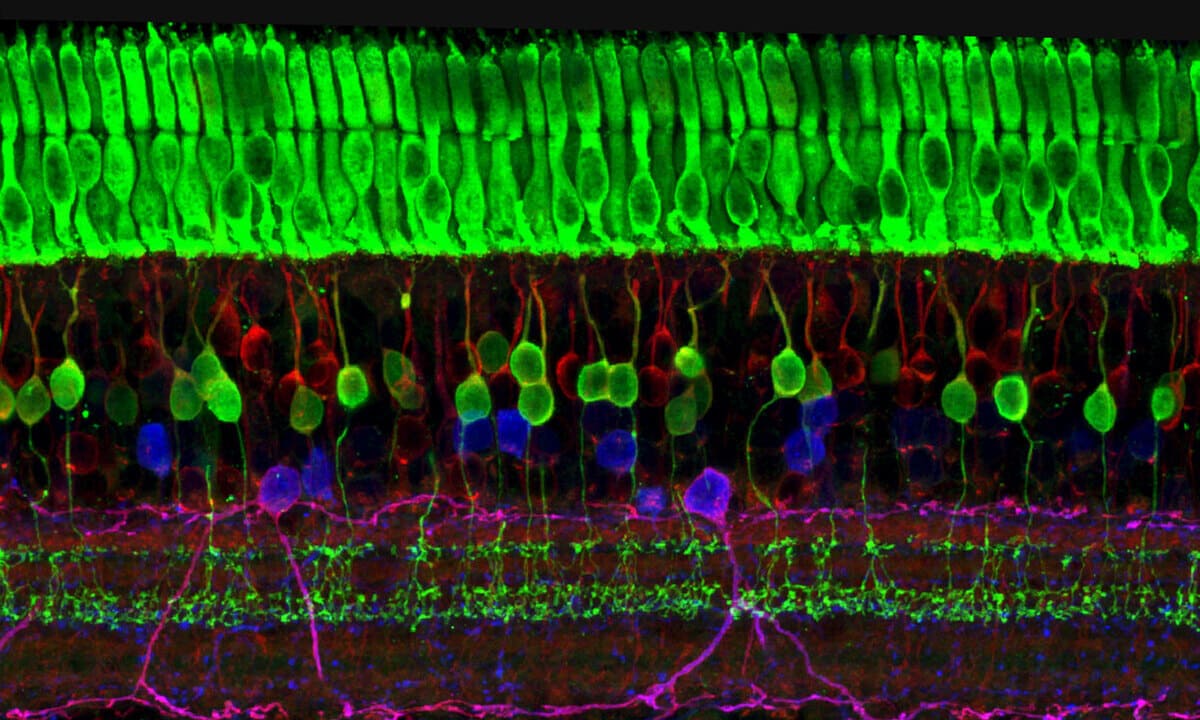
Communication between retinal cells: Swiss scientists solve a 50-year-old mystery In a groundbreaking study published in Neuron, scientists at the Institute of Molecular and Clinical Ophthalmology Basel (IOB) have identified a surprisingly simple and novel mechanism that regulates how our eyes process visual information at the very first step of seeing. The study represents a significant leap forward in vision research and neuroscience. Weiterlesen 1923
LumiThera Obtains FDA Authorization of Valeda Treatment for Dry AMD Patients LumiThera Inc., a medical device company offering photobiomodulation (PBM) treatment for ocular damage and disease, announced the U.S. Food & Drug Administration (FDA) has authorized marketing of Valeda® Light Delivery System for treatment of patients with dry age-related macular degeneration (AMD). Weiterlesen 3081
AAO: New Drug May Be the First to Protect Vision in People With Dry AMD Study shows investigational treatment reduced vision loss and protected key structures in the eye essential for vision. FDA has granted the treatment Fast Track status, and the European Union has given it Priority Medicine (PRIME) designation to speed up investigation. Weiterlesen 1910
Researchers Discover New Role of Immune Cells in Eye Health The eye is an immune-privileged tissue because of the need to keep blood vessels away from the central pathway of light and to restrict entry of inflammatory cells that could cause damage. This has prompted questions about how the eye manages inflammation when it occurs. Weiterlesen 1444
Stem Cells Repair Retinas in Monkey Models of Macular Holes Human stem cell transplants successfully repaired macular holes in a monkey model. After transplantation, the macular holes were closed by continuous filling of the space with retinal tissue. This is according to a new study from researchers at the Center for Biosystems Dynamics Research at Kobe City Eye Hospital, and colleagues at other institutions. Their findings are described in a paper published in Stem Cell Reports Weiterlesen 1624
Stargardt Macular Degeneration: First randomized, controlled gene therapy trial planned Nanoscope Therapeutics announced a productive End-of-Phase 2 meeting with the U.S. Food and Drug Administration (FDA) for its clinical program evaluating MCO-010 for the treatment of severe vision loss due to Stargardt Macular Degeneration (SMD), supporting advancement of MCO-010 to a Phase 3 registrational trial. The MCO-010 gene therapy utilizes an intraocular injection for delivery of a gene that encodes for the ambient light-sensitive MCO protein into retinal cells. Weiterlesen 2289
Gene therapy offers promise for treating glaucoma – as well as AMD Scientists from Trinity College Dublin have developed a gene therapy that shows promise for treating both glaucoma and dry age-related macular degeneration (AMD). The scientists have just published their research in the International Journal of Molecular Genetics. Their work shows how the gene therapy conferred significant benefit in animal models, and in human cells derived from people with glaucoma. Weiterlesen 2787
Potential new pathway to prevent age-related macular degeneration A research team led by the University of Minnesota Medical School has identified small molecules that can reduce the production of proteins linked to age-related macular degeneration. The paper was published in JCI Insight. Weiterlesen 2210
Formation of Drusen: NIH Study Reveals Cellular Pathology of Dry AMD A report by scientists at the National Institutes of Health (NIH) and Johns Hopkins University, Baltimore, details how alterations in a factor called AKT2 affects the function of organelles called lysosomes and results in the production of deposits in the retina called drusen, a hallmark sign of dry age-related macular degeneration (AMD) Weiterlesen 2409
The EyeMax Mono™ IOL Designed for AMD Patients to be Featured at the 2024 ESCRS and Euretina Annual Congresses in Barcelona A summary of the presentations and papers featuring EyeMax Mono™ is included below. Weiterlesen 3970
Retinitis Pigmentosa: European Orphan Medicinal Product Designation for KIO-301 Kiora Pharmaceuticals has announced it has received Orphan Medicinal Product Designation from the European Medicines Agency (EMA) for the treatment of a group of inherited retinal diseases (IRDs) that include retinitis pigmentosa (RP), choroideremia and more. The broad designation covers KIO-301, a small molecule photoswitch, for the treatment of non-syndromic rod-dominant retinal dystrophies. Weiterlesen 2518
Novaliq Receives Positive CHMP Opinion for Vevizye® in Dry Eye Disease The European Medicines Agency’s Committee for Medicinal Products for Human Use (CHMP) has adopted a positive opinion recommending the granting of a marketing authorisation in the European Union for Vevizye®, intended for the treatment of moderate to severe dry eye disease (keratoconjuctivitis sicca) in adult patients, which has not improved despite treatment with tear substitutes. Weiterlesen 2463
Dry AMD: Supplements Slow Disease Progression during Late Stage In a new analysis of data, researchers at the National Institutes of Health (NIH) have found that taking a daily supplement containing antioxidant vitamins and minerals slows progression of late-stage dry age-related macular degeneration (AMD), potentially helping people with late-stage disease preserve their central vision. Weiterlesen 2062
A new way to monitor eye microcirculation: Multiwavelength laser Doppler holography (MLDH) For the first time, Polish scientists used multiwavelength laser Doppler holography to assess blood flow in various layers of the human retina in vivo, which may impact the diagnosis of circulatory disorders. Weiterlesen 2236
Global perspectives on childhood myopia: addressing the rising epidemic Scientists from around the world gathered recently in Seattle, Washington, at the annual meeting of the Association for Research in Vision and Ophthalmology (ARVO) to address the global increase in myopia. Myopia rates, especially among children, have spiked dramatically over the past few decades. The National Eye Institute (NEI) organized the meeting to facilitate international collaborations aimed at understanding what’s driving the epidemic and how to control it. Weiterlesen 2654
Semaglutide may be associated with non-arteritic ischemic optic neuropathy (NAION) A new study is the first to discover that people prescribed semaglutide, sold as Ozempic and Wegovy, have a higher risk of developing a form of blindness due to optic nerve disease known as non-arteritic anterior ischemic optic neuropathy (NAION). Weiterlesen 3697
EMA’s CHMP Issues Negative Opinion of Syfovre for Geographic Atrophy The Committee for Medicinal Products for Human Use (CHMP) of the European Medicines Agency (EMA) has adopted a negative opinion on the marketing authorization application (MAA) of Apellis’s intravitreal pegcetacoplan (Syfovre) for the treatment of geographic atrophy (GA). Apellis to seek re-examination. Weiterlesen 2902