Nanoscope: EMA grants Orphan designations to MCO-010 across 5 categories of retinal dystrophies
European Medicines Agency (EMA) grants MCO-010 five Orphan designations across a wide spectrum of retinal diseases involving photoreceptor loss, including syndromic and non-syndromic, rod- and cone-dominant, and macular dystrophies. In addition, the U.S. Food and Drug Administration (FDA) has granted Regenerative Medicine Advanced Therapy (RMAT) designation for MCO-010 in Stargardt disease (SD).
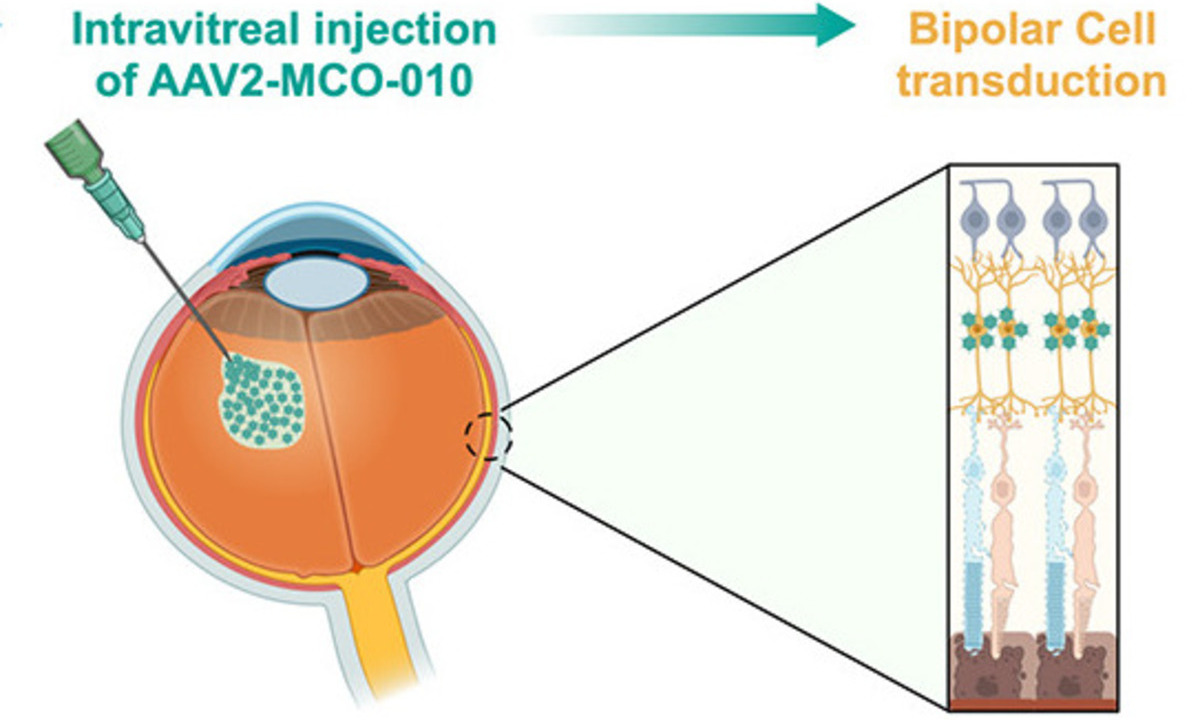
MCO (multi-characteristic opsin) is a one-time, in-office, intravitreal disease-agnostic therapy platform designed to restore vision in patients with photoreceptor degeneration, including RP, SD, and geographic atrophy (GA). By activating highly dense bipolar retinal cells to become light sensitive, MCO utilizes the remaining visual circuitry following photoreceptor death. MCO does not require genetic testing, surgical intervention, or repeat dosing, enabling broad patient applicability within existing retina office workflows. MCO-010 is developed by Nanoscope Therapeutics.
The EMA Orphan designations cover non-syndromic and syndromic rod-dominant and cone-dominant dystrophies, as well as macular dystrophies, providing a potential disease-agnostic regulatory path forward for dozens of retinal conditions. The new FDA RMAT designation for SD builds on prior Orphan Drug and Fast Track designations for both retinitis pigmentosa (RP) and SD. The EMA and FDA actions underscore regulatory agency recognition of MCO-010's potential to address significant unmet needs in retinal degenerative diseases.
In the European Union, EMA Orphan status provides opportunities for protocol assistance and up to 10 years of market exclusivity following approval. In the United States, Orphan, Fast Track, and RMAT designations provide opportunities for accelerated development and review, flexibility in trial design, and seven years of market exclusivity upon approval.
"Securing RMAT designation for Stargardt disease in addition to our prior FDA designations for SD and RP is a major validation for our therapies that warrant expedited development and review," said Sulagna Bhattacharya, CEO of Nanoscope. "Combined with five EMA Orphan designations, these achievements highlight the global momentum behind our MCO platform as a potential vision-restoring therapy for patients with few or no treatment options."
Nanoscope's clinical programs are advancing globally, with positive Phase 2b/3 RESTORE trial results in RP and encouraging findings from the Phase 2 STARLIGHT trial in SD. A Phase 3 registrational trial in SD and a Phase 2 trial in GA are expected to begin by the end of 2025
Source: Nanoscope Therapeutics