Ocular Hypertension and Glaucoma After Pars Plana Vitrectomy
A new systematic review and meta-analysis examines whether pars plana vitrectomy (PPV) increases the risk of ocular hypertension (OHT) and glaucoma, and how lens status modifies this risk.
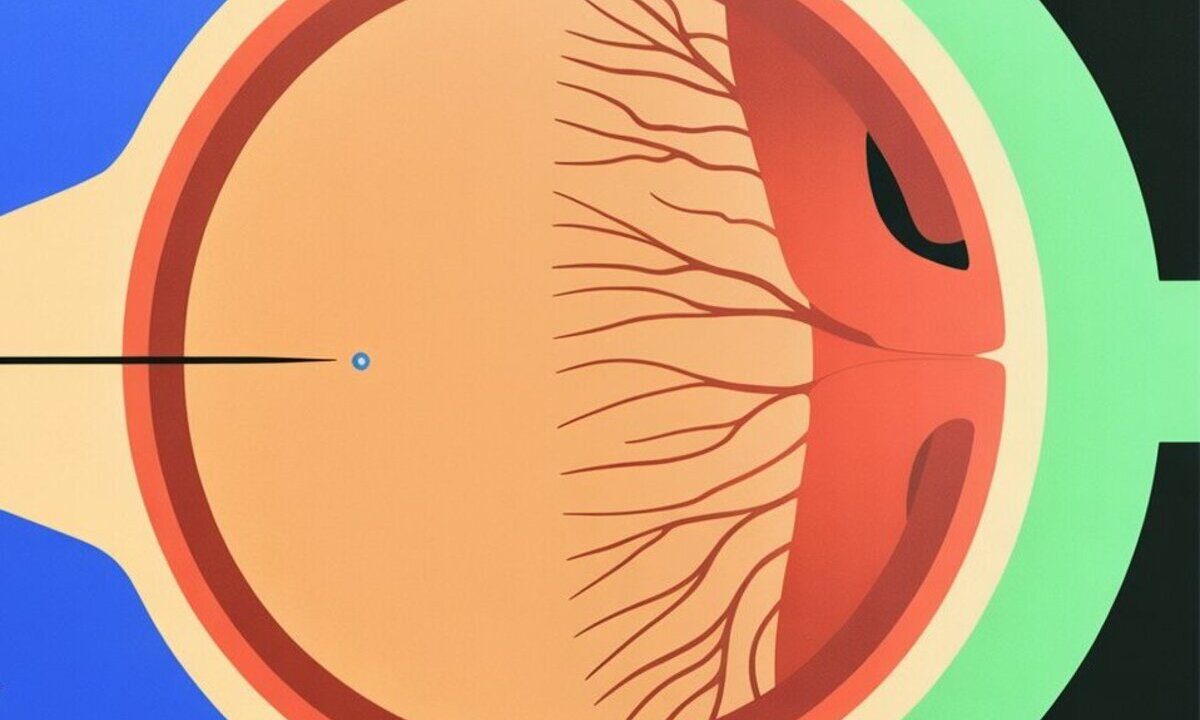
OHT and glaucoma are major complications that can threaten vision and require lifelong management. While PPV is a standard treatment for vitreoretinal disease, concerns exist about its long-term effects on intraocular pressure (IOP) and glaucoma, particularly in pseudophakic eyes, where the natural lens barrier is absent. No clear, quantitative synthesis currently informs risk stratification in this context.
A team led by Gabriele Gallo Afflitto (Ophthalmology Unit, Department of Experimental Medicine, University of Rome / Moorfields Eye Hospital, London) and Lorenzo Fabozzi (University Hospitals Sussex, Worthing) evaluated whether PPV increases the risk of OHT and glaucoma, with particular attention to lens status as a potential risk modifier.
Key findings
- Across 54,000+ vitrectomised eyes, the pooled absolute risk was 5.6% for OHT and 3.9% for glaucoma.
- Pseudophakic eyes showed markedly higher odds — around 3× greater for OHT and 12× greater for glaucoma than phakic eyes.
- The number needed to treat for harm (NNTH) was 8 for OHT and 10 for glaucoma — meaning one additional case occurs for every 8–10 pseudophakic PPVs.
- These data underscore the central role of lens status in postoperative IOP control and long-term optic nerve health.
Conclusions
PPV is associated with clinically meaningful risk of OHT and glaucoma, especially in pseudophakic eyes. Despite limitations from nonrandomized data and heterogeneity, these findings highlight lens status as a key modifier of post-PPV risk and support tailored surgical planning and postoperative monitoring.
Read the full paper in Ophthalmology