“Ideas that are reshaping the future of eye care”– Interview with ESCRS President Filomena Ribeiro
The ESCRS Congress is one of the world's most important events in ophthalmology. In this interview, ESCRS President Filomena Ribeiro explains why the congress in Copenhagen offers the ideal opportunity to optimize surgical skills, exchange information on the latest developments in ophthalmology, and expand personal networks.
Why should ophthalmologists make the trip to Copenhagen for the ESCRS Congress?
Filomena J. Ribeiro: The ESCRS Congress is not just a meeting — it is where the future of ophthalmology takes shape.
In 2025, the Congress lands in Copenhagen, a city renowned for its innovation, sustainability, and effortless accessibility. Hosted at the modern Bella Center — just minutes from both the airport and city centre — this year’s edition promises a truly immersive and inspiring experience.
Whether you are an early-career ophthalmologist or a seasoned surgeon, ESCRS 2025 offers more than scientific updates — it is a space to connect, learn, train, and lead.
|
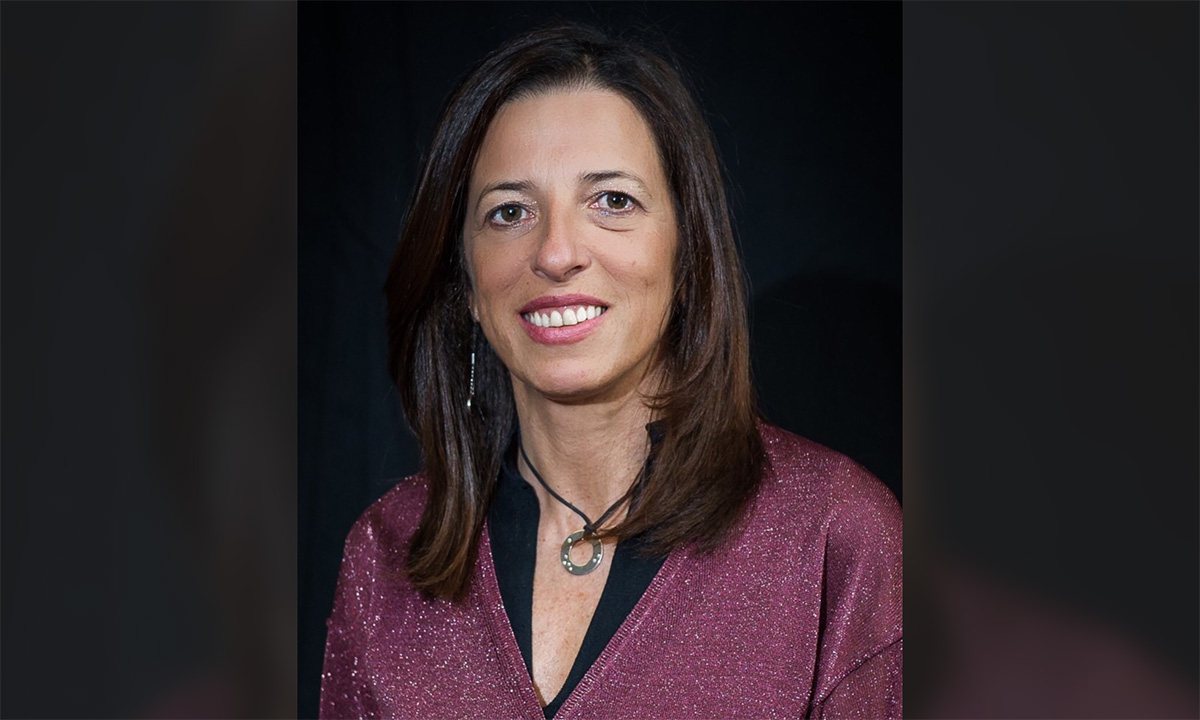
Filomena J. Ribeiro, MD, PhD, FEBO is Chair of Ophthalmology at Hospital da Luz Lisboa and Professor of Ophthalmology and Biomedical Engineering at the University of Lisbon. She earned her MD (Distinction) in 1992, completed her Ophthalmology residency with top honors in 2000, and received a PhD (Pass with Merit) in Biomedical Engineering in 2014 for developing personalized eye models for IOL calculations. In 2025, she began her term as President of the European Society of Cataract and Refractive Surgery (ESCRS). |
What makes ESCRS 2025 unmissable?
It all starts with Focus Friday:
• Innovation Day brings visionary talks, disruptive ideas, and promising medtech start-ups that are reshaping the future of eye care.
• The Global Refractive Summit delves into the efficacy and safety of modern refractive surgery, with practical sessions on complication management, enhancement procedures, and complex cases.
A rich scientific programme every day:
• Main Symposia offer cutting-edge updates on cataract and refractive surgery, including Video Symposia and NearLive Surgery sessions.
New highlights this year:
• Celebrating the 30th anniversary of the femtosecond laser with a special interactive exhibition tracing its evolution from research to clinical application.
• Valhalla Arena — a bold, fast-paced forum for debates, expert panels, and surgical pearls on AI, presbyopia, corneal and refractive surgery.
• The World Café (Sunday, 14 September) — an intimate, interactive format for small-group discussions of real clinical cases, moderated by experts.
Global networking at its best:
• Collaborate with international societies including AAO, EURETINA, CSCRS, ISRS, APAO and others through joint symposia and co-hosted events.
• Connect with peers through pub quizzes, mentoring cafés, and vibrant social events designed to build lasting professional relationships.
In short: ESCRS 2025 is more than a congress — it is where knowledge meets practice, where innovation becomes inspiration, and where careers accelerate. From high-level surgical training and technology showcases to international collaboration and professional wellbeing, this is the ophthalmology event of the year.
What targeted offerings and formats will help early-career colleagues get the most out of the Congress?
We are placing strong emphasis on interactive, hands-on learning for early-career ophthalmologists. From live surgery sessions and practical wet labs to expert-led mentorship forums, the aim is to bridge the gap between theory and clinical practice.
Dedicated tracks combined with networking events designed to foster long-term connections, ensure younger colleagues feel supported and empowered throughout the event.
Train like never before:
• Free Access to the Simulation training lab — smart learning environments combining virtual reality, wet/dry lab training, and real-time feedback.
• Over 100 instructional courses covering all subspecialties and levels of experience.
• The YO Programme includes video discussion sessions, symposia on topics such as Managing Astigmatism in Cataract Surgery, and academic development workshops including Beginner Medical Writing and Critical Reading of Scientific Articles.
You launched the BoSS (Building Our Sustainable, Inclusive Society) project. What motivated this initiative, and what progress have you seen so far?
BoSS was created from a shared vision: to foster a more inclusive, diverse, and environmentally responsible ophthalmology community. We saw the need to lead ethically and socially, not just clinically.
Since its inception, BoSS has influenced conference policies, improved accessibility, and introduced sustainability initiatives across ESCRS operations. It has also begun to elevate underrepresented voices in educational content — and this is only the beginning. The momentum is building, and the future is promising.
At the Congress we will have the BoSS Track: Focusing on sustainability, inclusion, mental health, and leadership — featuring burnout prevention, bias awareness training, and flash mentoring. And the 5K Charity Run/Walk on Saturday, 13 September, 07:00: Join colleagues in a fun, healthy initiative supporting global eye health causes.
Which exciting developments in intraocular lenses and in cataract and refractive surgery more broadly will be highlighted at the Congress?
Intraocular lens (IOL) technology is evolving at an extraordinary pace.
• A dedicated Sunday symposium on IOL: Classification, Design and Solutions
• Arena debates on Mix-and-Match IOL optical designs
• Real-world clinical cases discussed in the World Café.
Beyond IOLs, the Congress will spotlight key innovations throughout the surgical pathway:
• Next-generation femtosecond laser platforms offering greater precision
• AI-driven digital planning tools delivering micron-level personalization
• Advanced diagnostic imaging for superior pre- and post-operative assessment
Together, these innovations are redefining refractive cataract surgery — moving towards fully personalized, high-performance visual outcomes. Whether refining your premium IOL strategy, integrating diagnostics, or embracing smart surgical technologies, ESCRS 2025 will equip you to stay at the forefront of your field.
With the growing array of premium and specialty IOLs — and a lack of standardised terminology — how do the ESCRS and the Congress help practitioners navigate this complexity? How does collaboration with your American colleagues factor in?
The diversity of IOLs is both a strength and a challenge. ESCRS is working actively to develop robust classification frameworks to support better clinical decision-making. One of the most exciting tools is the ESCRS Simultaneous Vision IOLs Classification. This framework is providing valuable insights into real-world results, helping surgeons match IOLs to patient needs with greater confidence.
Endorsed by the ASCRS, this collaboration is helping harmonize language, research, and clinical strategies across continents.
Research into accommodative IOLs has spanned many years. What is the current status, and what can we expect in the near future?
We are entering a promising new era of accommodative IOL development. While earlier models faced issues with long-term predictability, newer prototypes are showing improved biomimetic function and mechanical performance.
At the Congress, we will present fresh data from clinical trials that renew hope for dynamic, functional accommodation. Challenges remain — especially around testing standardization and durability — but the direction is encouraging.
Which important innovations in corneal and glaucoma surgery will be presented at the Congress?
Corneal surgery will feature advances in lamellar techniques, keratoconus management, and endothelial cell therapy. In glaucoma, the spotlight will be on minimally invasive surgical options and the integration of digital monitoring tools.
These innovations aim to improve outcomes while reducing recovery time and patient burden — cornerstones of modern ophthalmic care.
Do not miss the Subspecialty Days: Cornea Day, Glaucoma Day, and Paediatrics Day — each offering in-depth updates, surgical pearls, and clinical case insights.
AI and algorithm-based data analysis are gaining traction in ophthalmology. Which applications do you see as most relevant for cataract and refractive surgery?
AI shows strong potential in optimizing preoperative planning, refining IOL power calculations, and identifying subtle trends in outcomes that human analysis might overlook. In clinical settings, AI may support real-time decision-making, enhance safety, and help deliver more individualized care. It is not a replacement for clinical judgement, but a powerful tool to augment it.
At this year’s Congress, we will host a Digital Symposium and Arena Forum exploring this rapidly evolving domain.
Beyond Copenhagen 2025, what developments or next steps would you like to see the ESCRS pursue?
Looking forward, we hope to see ESCRS deepen its commitment to global education, sustainability, inclusivity, and interdisciplinary innovation. Strengthening international partnerships, investing in future leaders, and advocating for equitable access to care will shape the next chapter of our field.
Technology will take us far, but our values will take us further.
Interview: Achim Drucks
43. Congress of the European Society of Cataract and Refractive Surgeons (ESCRS)
Bella Center Copenhagen
12–16 September 2025