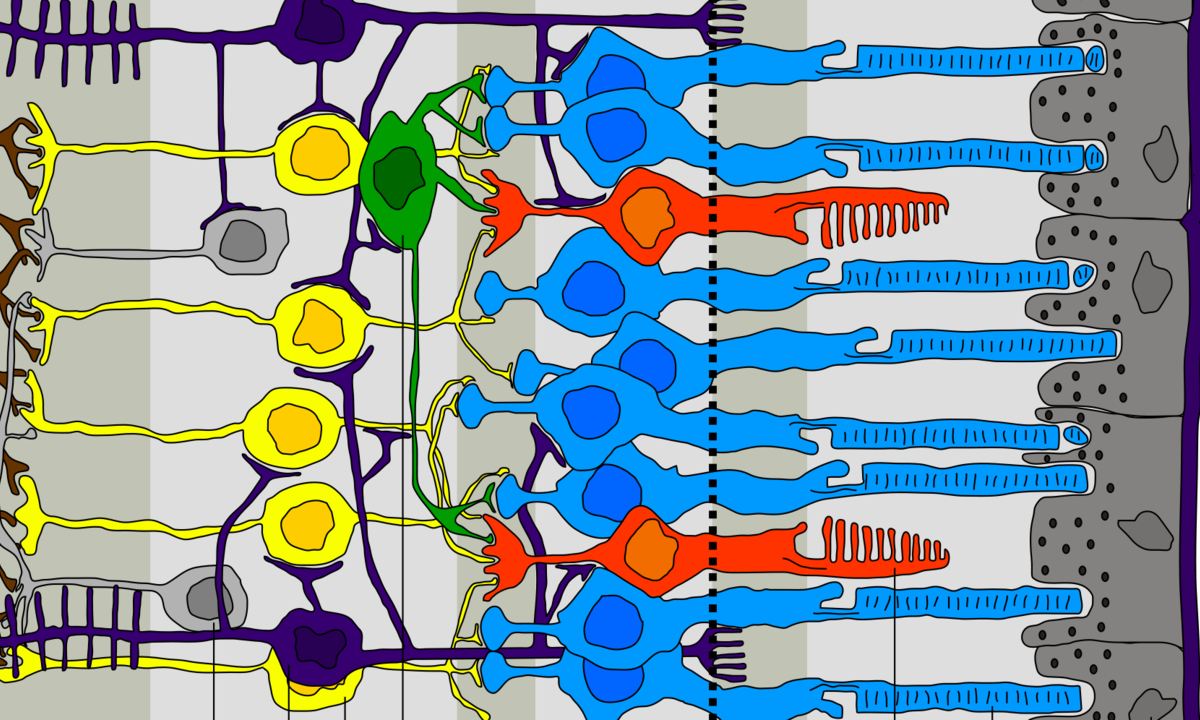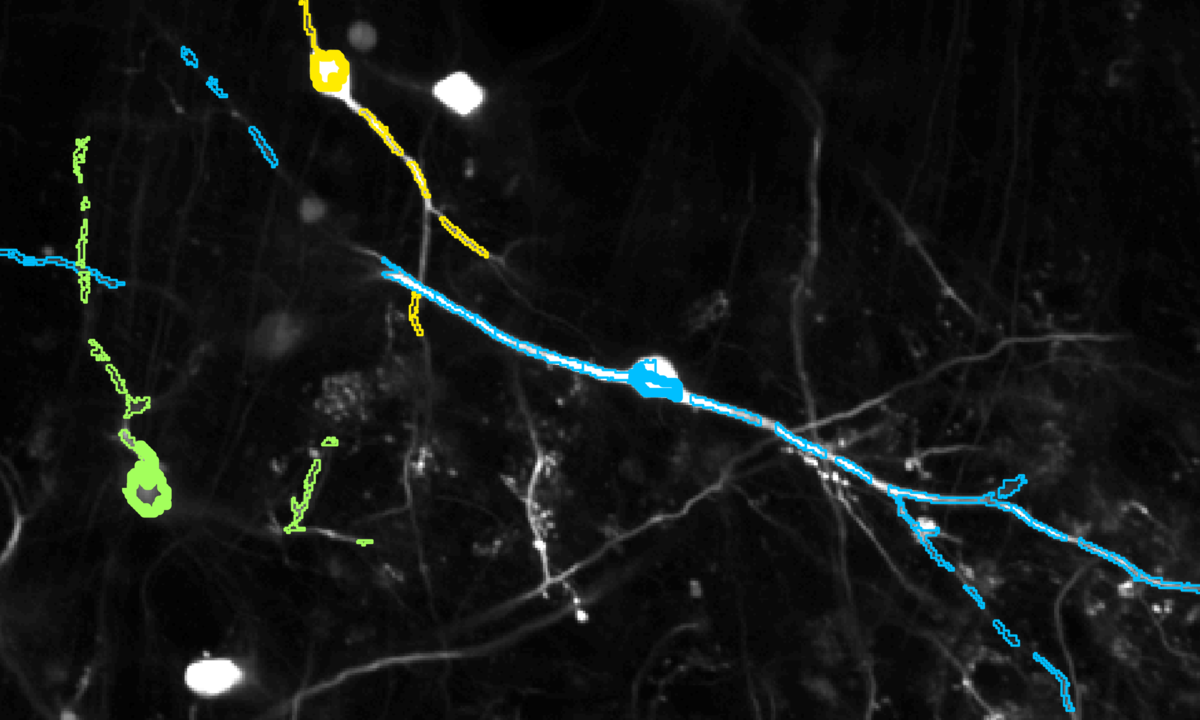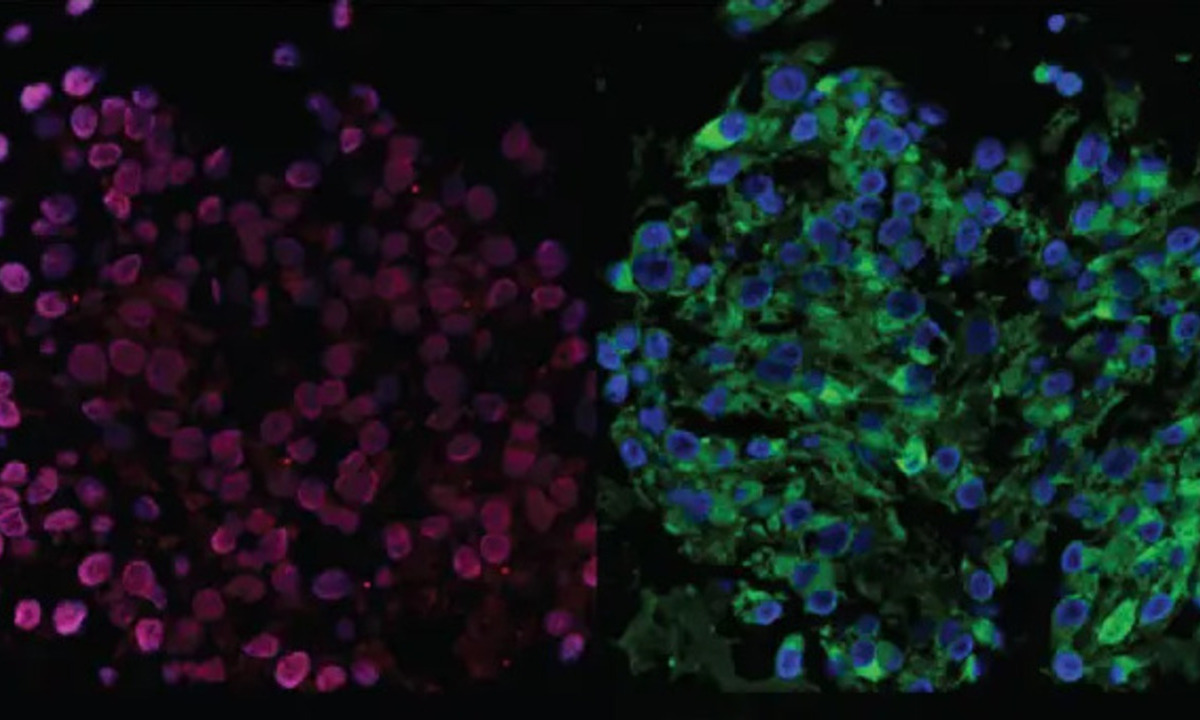
Thalamic interneurons have different views – new insights into how the brain integrates visual information All sensory stimuli—with the exception of smell—pass through the thalamus before reaching the cerebral cortex, which is the part of the brain that governs cognition. A small part of the thalamus, the dorsolateral geniculate nucleus (dLGN), mediates image perception. Weiterlesen 2235
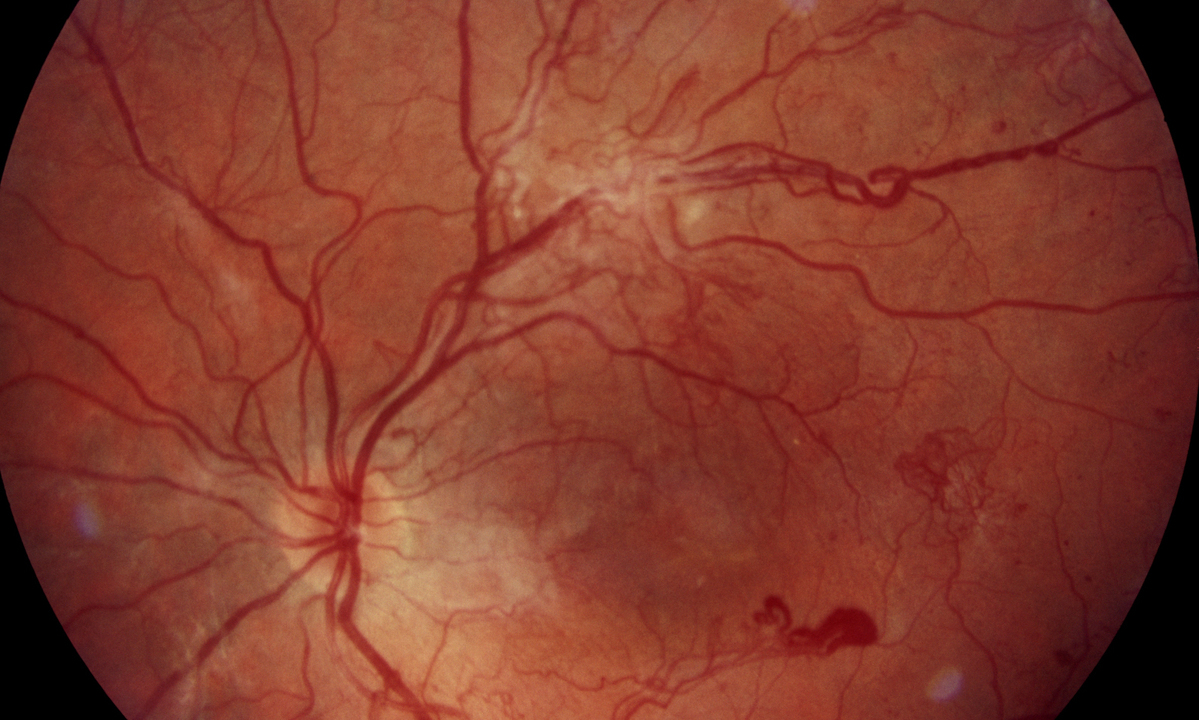
Potential New Treatment Option for Diabetic Retinopathy Researchers at the University of Oklahoma Health Sciences and Memorial Sloan Kettering (MSK) Cancer Center are studying a new, revolutionary treatment for diabetic retinopathy (DR) that could change the prognosis for diabetis patients. They focus on a certain very damaging type of lipids, ceramides, which are present in the eyes of DR patients. Weiterlesen 2636
Neovascular AMD: Is Telomerase a new Treatment Target? Researchers determined in mice that telomerase, an enzyme related to cell growth and division, is a culprit in the blood vessel invasion in the back of the eye that causes blurred central vision in neovascular age-related macular degeneration (AMD). Targeting the enzyme with an experimental drug suppressed abnormal vascular growth in the animals’ retina. Weiterlesen 1622
Researchers Discover Novel Approach to Combat AMD Increasing the levels of a key protein in retinal cells could help protect against age-related macular degeneration (AMD), finds a new discovery made by researchers from the UK, US, Germany (Department of Genetic Epidemiology, University of Regensburg) and Australia. Weiterlesen 1814
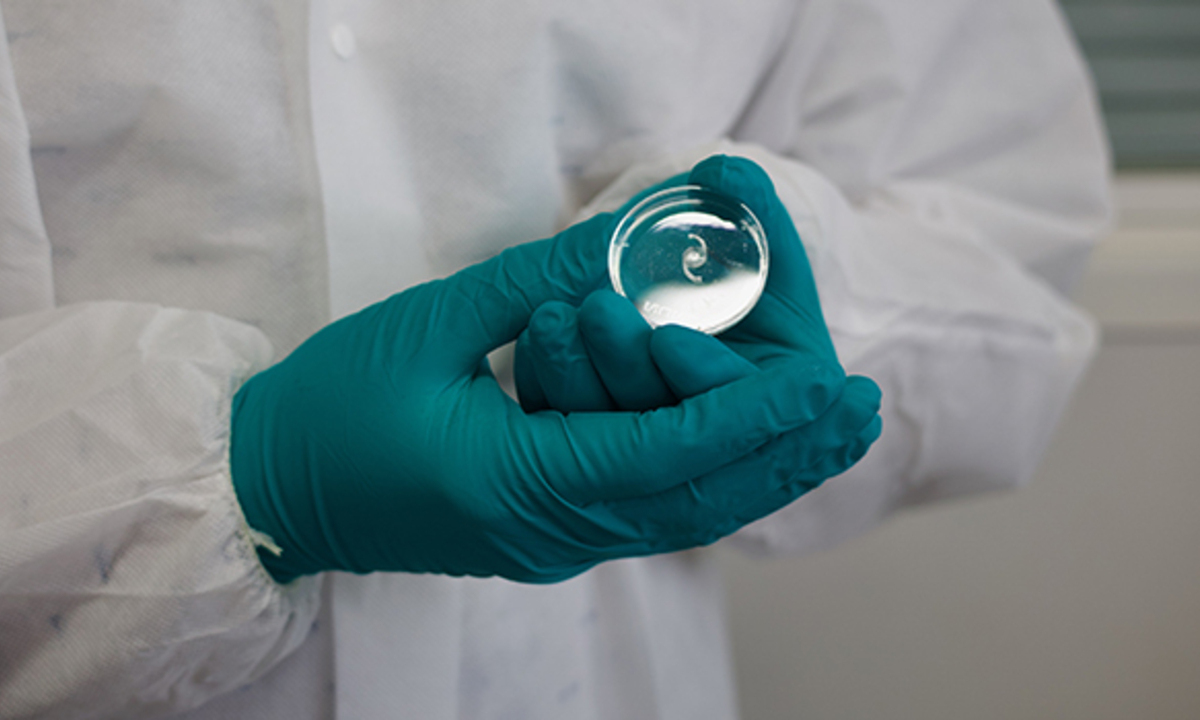
Innovative 3D printing could revolutionise treatment for cataracts and other eye conditions University of East Anglia researchers have made a significant breakthrough in ocular device technology with the introduction of a novel resin for 3D printing intraocular devices. This innovation has potential to enhance the manufacture of eye implants universally used in cataract and refractive surgeries. Weiterlesen 2377
European Commission Marketing Authorization for LYTENAVA (bevacizumab gamma) for the Treatment of Wet AMD LYTENAVA™ (bevacizumab gamma) becomes first ophthalmic formulation of bevacizumab to receive European Commission Marketing Authorization for the treatment of wet AMD / Advancing toward commercial launch of LYTENAVA™ (bevacizumab gamma) in EU expected in calendar Q1 2025 Weiterlesen 3244
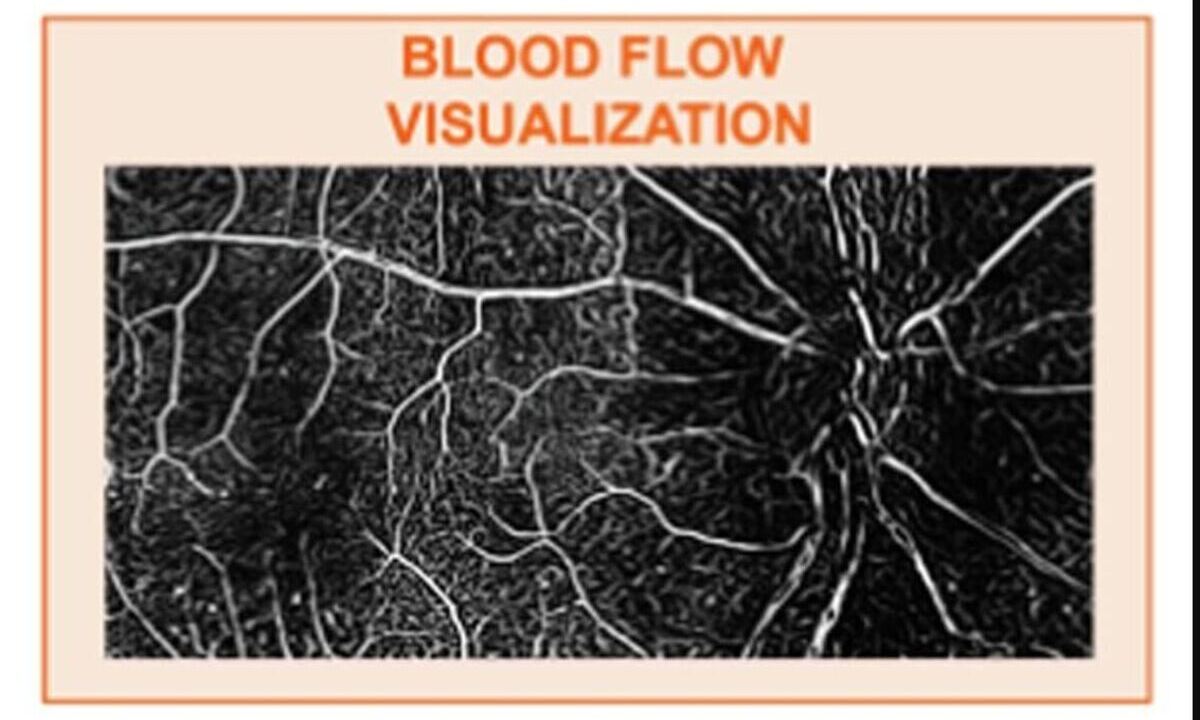
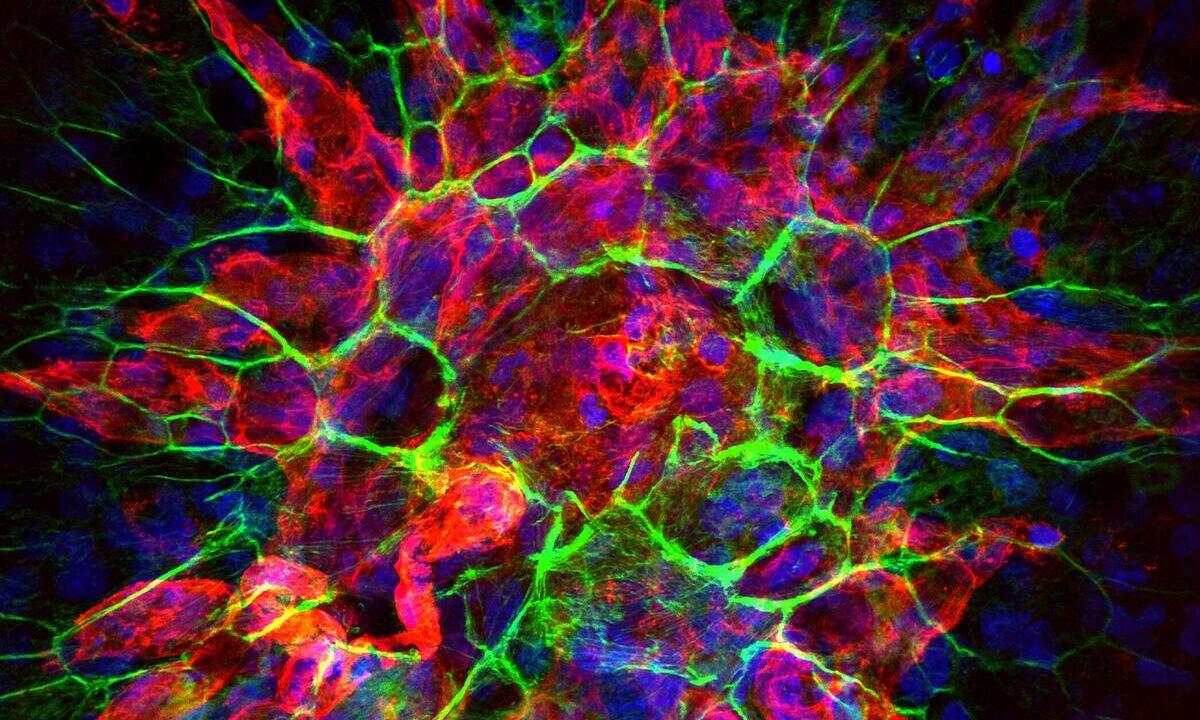
How Neurons Build a 3-D Vascular Structure to Keep the Retina Healthy Scientists have known for years that a lattice of blood vessels nourishes cells in the retina – but it’s been a mystery how the intricate structure is created. Now, researchers at UC San Francisco have found a new type of neuron that guides its formation. Weiterlesen 1511
One Mutation of Rhodopsin May Cause Congenital Stationary Night Blindness In what they believe is a solution to a 30-year biological mystery, neuroscientists at Johns Hopkins Medicine say they have used genetically engineered mice to address how one mutation in the gene for the light-sensing protein rhodopsin results in congenital stationary night blindness. Weiterlesen 1612
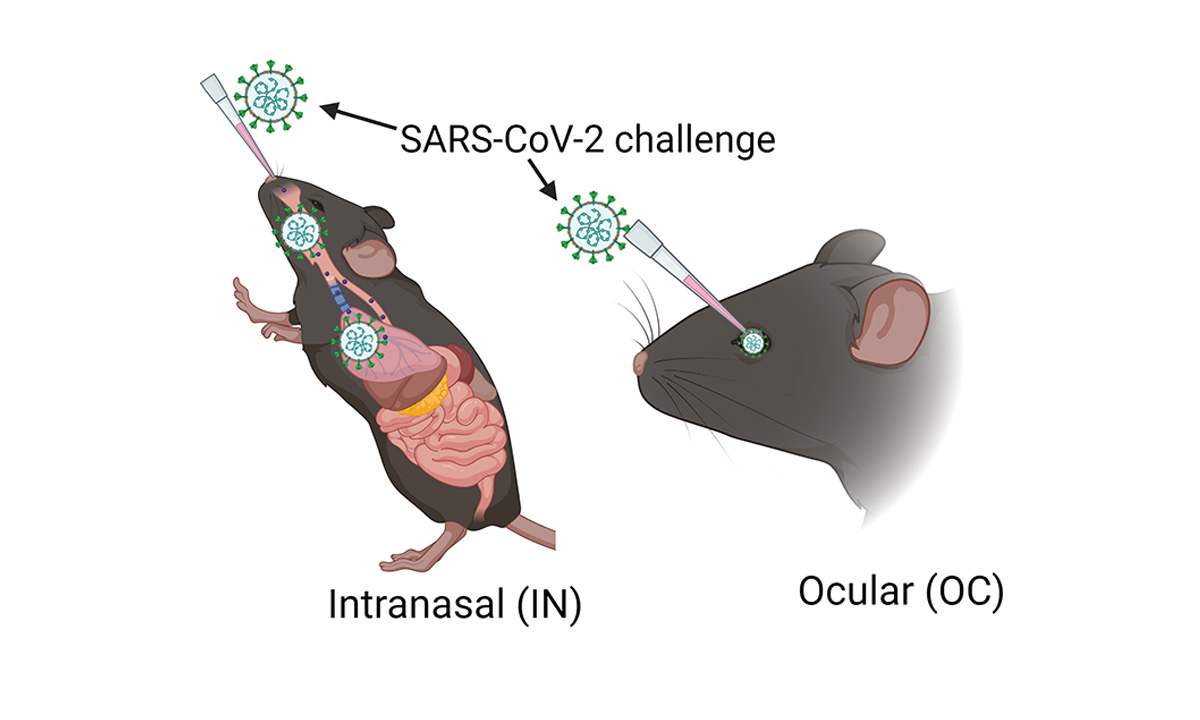
COVID-19 Virus can breach blood-retinal barrier The blood-retinal barrier is designed to protect our vision from infections by preventing microbial pathogens from reaching the retina. But researchers have discovered that that SARS-CoV-2 can breach this protective retinal barrier with potential long-term consequences in the eye. Weiterlesen 1849
Neovascular AMD: New Treatment Target Scientists from Augusta University’s Medical College of Georgia report that a gene previously implicated in the development of atherosclerotic lesions in coronary arteries could be key to understanding why many people don’t benefit from the most used therapy for neovascular age-related macular degeneration (AMD). Weiterlesen 1695
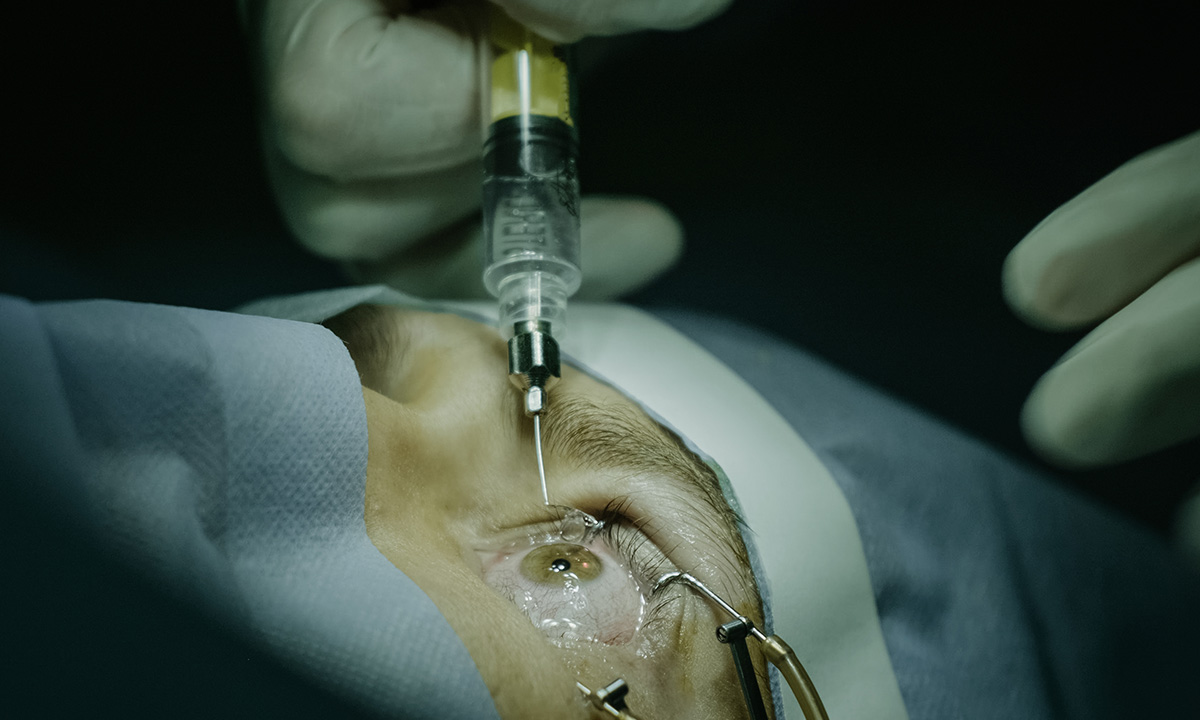
CRIPSR gene editing leads to improvements in vision for people with Leber Congenital Amaurosis Mass Eye and Ear-led phase 1/2 trial, which included 14 participants, found that the first-of-its-kind experimental treatment was safe and efficacious Weiterlesen 3165
New Research Reveals Benefits of Early Patching for Children with Amblyopia A recent study conducted at 30 hospital sites across the UK, Greece, Austria, Germany, and Switzerland sheds light on a potentially more effective treatment approach for children with amblyopia. Weiterlesen 2036
AI makes retinal imaging 100 times faster Researchers at the National Eye Institute report that with AI, imaging cells in the retina is 100 times faster and improves image contrast 3.5-fold. They developed a novel AI-based method called parallel discriminator generative adversarial network (P-GAN)—a deep learning algorithm. The advance, they say, will provide researchers with a better tool to evaluate age-related macular degeneration (AMD) and other retinal diseases. Weiterlesen 2122
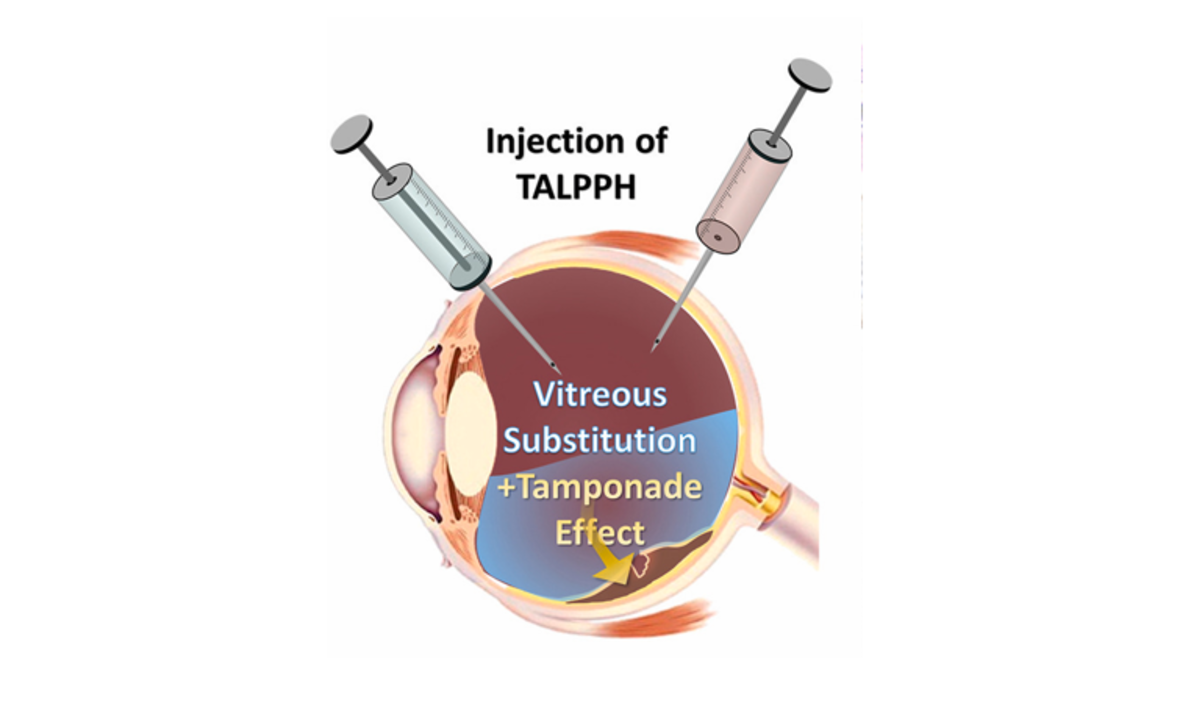
Artificial Vitreous Body Formulated from Biomaterials Obtained from Algae A collaborative effort between Korean scientists has resulted in the creation of an artificial vitreous body for treating retinal detachment. This solution is based on a natural carbohydrate derived from algae. Weiterlesen 3098
Optic Nerve Damage: A Path to Regeneration Damage to the optic nerve can lead to irreversible blindness. A newly investigated regeneration factor could change that, researchers of the University of Connecticut (UConn) report in the May 2024 issue of Experimental Neurology. This opens up a completely new field of research – in glaucoma or other types of nerve damage. Weiterlesen 5667
AMD: Protein FHR-4 no promising therapeutic target? Over the past decade, researchers at the John A. Moran Eye Center’s Sharon Eccles Steele Center for Translational Medicine (SCTM) have clarified the genetics of AMD, refined the clinical understanding of its natural course of progression, and developed potential new treatments. Publishing in the prestigious journal Nature Communications, the SCTM’s latest AMD research points the field away from a liver-produced protein others had identified as a promising therapeutic target. Weiterlesen 1933
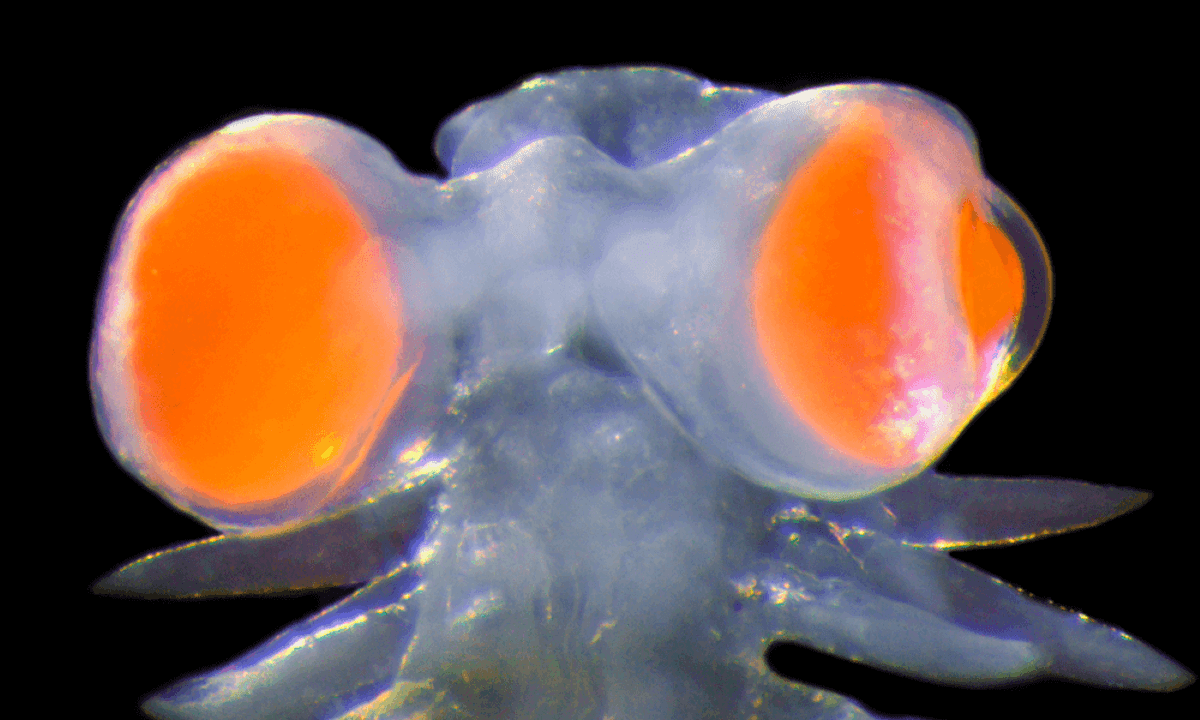
Scientists discover a worm with enormous and surprisingly sharp-seeing eyes The Mediterranean marine worm Vanadis can be found around the Italian island of Ponza. Its eyesight rivals that of rodents such as mice and rats. Its eyes weigh about 20 times more than the rest of its head. The worms can see UV light and focus on relatively small objects, tracking them as they move. Weiterlesen 5988
ViGeneron Announces First Patient Dosed in Phase 1b Clinical Trial of VG901 for the Intravitreal Treatment of Retinitis Pigmentosa VG901 is the first and only clinical-stage therapy designed to deliver a functional CNGA1 gene to retinal photoceptor target cells in retinitis pigmentosa patients / VG901, using ViGeneron’s proprietary next-generation technology platform vgAAV, is administered intravitreally (IVT), offering enhanced ease of delivery, broader vector distribution, and mitigating the risk of retinal damage linked with subretinal administration / VG901 granted Orphan Drug Designation by FDA. Weiterlesen 1749
Geographic Atrophy: Aviceda Therapeutics Announces Formation of European Clinical Advisory Board The European Clinical Advisory Board (CAB) is made up of internationally recognized thought leaders in retina. The CAB will provide strategic consultation on the company’s clinical development of its lead asset, AVD-104, for the treatment of geographic atrophy (GA) secondary to age-related macular degeneration (AMD). Weiterlesen 1848
National Eye Institute: Study points to ‘ground zero’ for AMD development Integrative omics approach finds 87 genes where aging, diet, lifestyle and smoking may take toll by affecting epigenome. Weiterlesen 1514
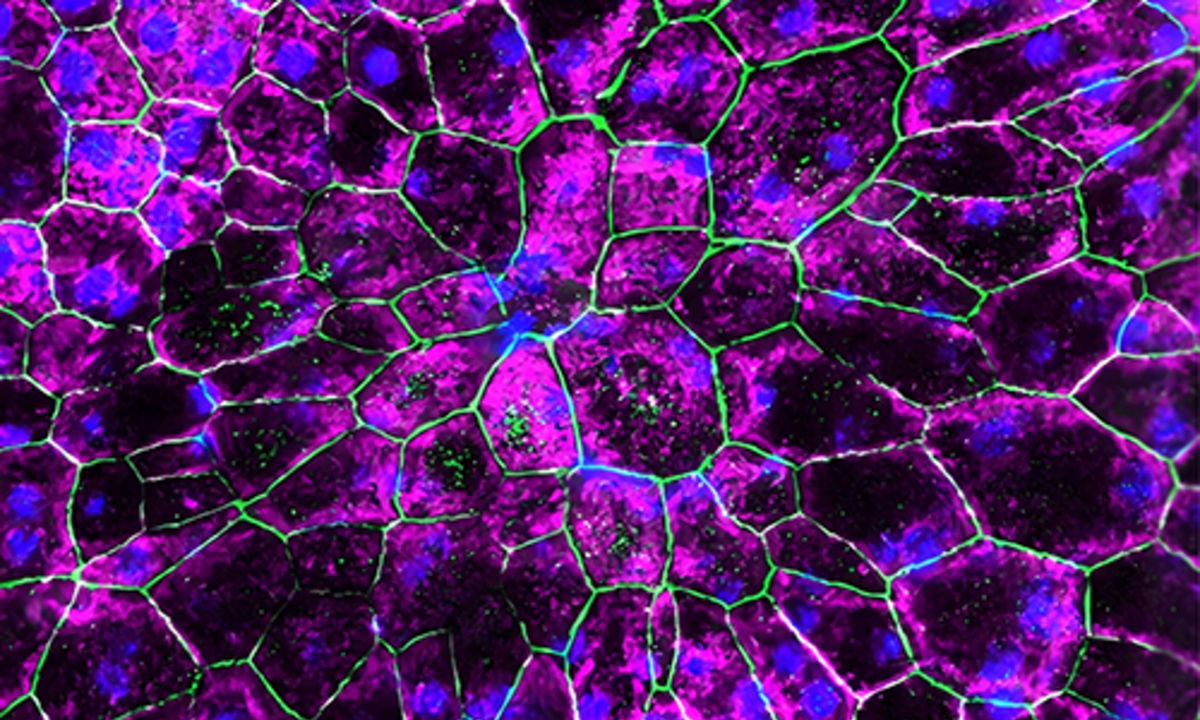
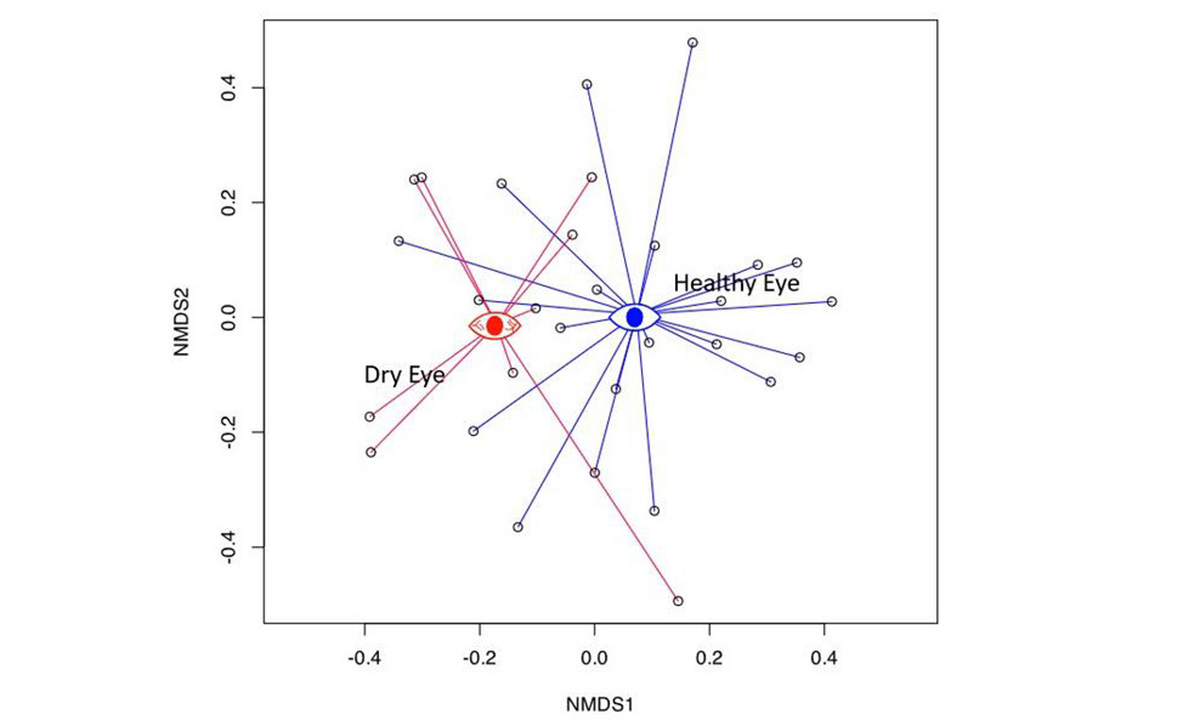
Researchers uncover the microbial secrets of dry eye Insights into the ocular microbiome could have implications beyond eye health. Weiterlesen 1560
FDA Approval For Clobetasol Propionate Eye Drop for Post-Operative Inflammation And Pain The first new steroid to the ophthalmic sector in more than a decade: Taiwan-based Formosa Pharmaceuticals and AimMax Therapeutics (United States) announced that the U.S. Food and Drug Administration (FDA) has approved clobetasol propionate ophthalmic suspension 0.05% (APP13007), for the treatment of post-operative inflammation and pain following ocular surgery. Weiterlesen 2857
AI has perfect detection rate for severe cases of retinopathy of prematurity The technology could expand global treatment before condition can permanently damage vision. Weiterlesen 1740
Novel Protocol to Rapidly Diagnose and Treat Central Retinal Artery Occlusion Ophthalmologists at New York Eye and Ear Infirmary of Mount Sinai (NYEE) have created a novel protocol to rapidly diagnose eye stroke and expedite care to prevent irreversible vision loss. Weiterlesen 3017
Augeninnendruck-Monitoring mit dem iCare HOME2 Tonometer – Fachgespräch mit Glaukomexpertin Dr. Barbara Wirostko Der Augeninnendruck gilt als wichtigster Risiko- und einziger therapeutisch beeinflussbarer Faktor bei einer Glaukomerkrankung. Doch er ist Schwankungen unterworfen. Auch diese nur vorübergehenden Druckerhöhungen können zu einer Sehnervenschädigung führen. Aus diesem Grunde ist es so wichtig, den Augeninnendruck im Verlauf zu überprüfen – etwa mit dem iCare HOME2. Mehr dazu im neuen EYEFOX Fachgespräch. Weiterlesen 1748
Neu in der EYEFOX Mediathek: Ab-interno Kanaloplastik mit dem iTrack™ Advance – Chirurgische Tipps und Tricks Dr. Karl Mercieca (Universitätsklinikum Bonn) und Dr. Karsten Klabe (Breyer, Kaymak & Klabe Augenchirurgie, Düsseldorf) teilen ihre chirurgischen Tipps und Tricks für eine erfogreiche Kanaloplastik mit dem neuen iTrack™ Advance Kanaloplastikgerät. Weiterlesen 1437
Neu in der EYEFOX Mediathek: Ab-interno Kanaloplastik – Ein Fachgespräch mit Dr. Karl Mercieca Der iTrack™ Advance Kanaloplastik-Mikrokatheter erleichtert den Zugang ins vordere Augensegment unter kontinuierlicher Sichtkontrolle bei chirurgischen Eingriffen zur Reduktion des Augeninnendrucks bei Patienten mit Offenwinkelglaukom. Weiterlesen 1577