Endothelial cell therapy: Aurion Biotech doses first patients in U.S. phase 3 study
Aurion Biotech has announced that the first patients have been dosed in the U.S. ASTRA phase 3 pivotal study of AURN001, a single-administration regenerative cell therapy for corneal edema secondary to corneal endothelial dysfunction. If successful, AURN001 could become the first cell therapy approved in the United States for this indication.
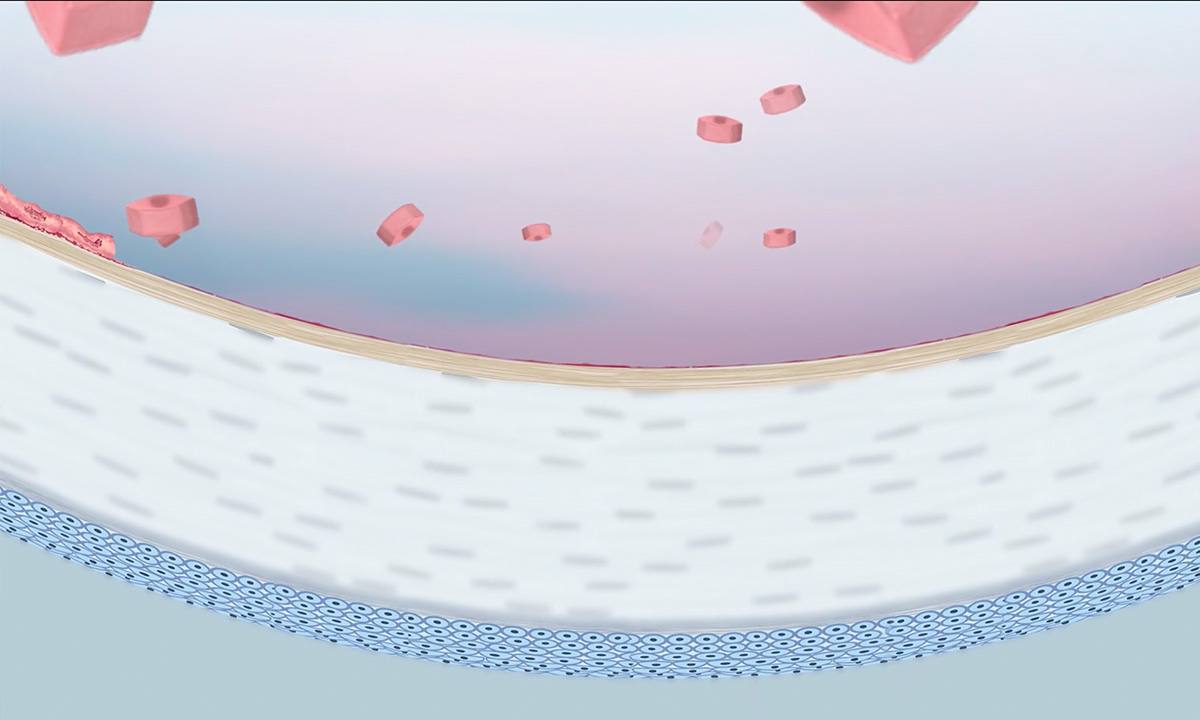
AURN001 is a first-in-class investigational combination therapy designed to restore corneal clarity in patients with endothelial disease, including Fuchs endothelial corneal dystrophy. The therapy consists of unmodified human corneal endothelial cells (neltependocel) together with the rho-kinase (ROCK) inhibitor Y-27632. Delivered by intracameral injection, the approach is intended to regenerate the posterior corneal surface while reducing the need for graft-based keratoplasty and potentially supporting faster postoperative recovery..
During the procedure, the diseased endothelium is gently removed by polishing through a small corneal incision. The cultured cells are injected into the anterior chamber through a separate small incision. The patient then is positioned facedown for a few hours while the cells, supported by the ROCK inhibitor, attach and organize to reform a fully functional endothelial layer.
Aurion notes that, subject to manufacturing specifications, a single qualified donor line may yield up to 1,000 therapeutic doses. If confirmed at scale, this production model could significantly expand access to treatment for endothelial disease, particularly in settings where donor tissue is limited.
The scientific foundation for this approach was laid by Professor Shigeru Kinoshita and colleagues, who published early clinical work in the New England Journal of Medicine in 2018 on the injection of cultured corneal endothelial cells with a ROCK inhibitor for bullous keratopathy. That research ultimately led to the development of Vyznova, a cultured human corneal endothelial cell (cHCEC) therapy approved in Japan in 2023 for bullous keratopathy and commercialised there since late 2024. Recent clinical experience from 2024 to 2025 has shown meaningful restoration of corneal clarity, with gains in visual acuity, reductions in central corneal thickness and improved endothelial cell densities.
Aurion later acquired the rights to the therapy following this extensive Japanese development programme. In 2025 Alcon acquired a majority interest in Aurion. Aurion will operate as a separate company with full support from Alcon to advance AURN001.
The ASTRA trial will enrol patients at 12 sites across the United States and will compare AURN001 plus Y-27632 with placebo. The primary endpoint is the proportion of participants achieving a gain of at least 15 ETDRS letters, equivalent to a three-line improvement in best-corrected visual acuity, at month 6. Secondary endpoints include changes in non-contact central corneal thickness and best-corrected visual acuity at month 6.
The phase 3 launch follows encouraging earlier-stage results. In the 12-month CLARA phase 1/2 study, Aurion reported that the high-dose group met all primary, secondary and exploratory endpoints. Among treated patients, 65% achieved a gain of at least 15 letters in best-corrected visual acuity, while no treatment-related serious adverse events or graft rejections were observed. Improvements in central corneal thickness and patient-reported outcomes further supported progression to pivotal testing.
Source: Aurion Biotech